
 Embryoman


Researchers in a 2021 study investigated “self-correction” in a stem cell-based model for mosaic embryos and found that aneuploid cells in a mosaic are more likely to change into trophectoderm cells or die, while euploid cells accumulate in the ICM.
Researchers in a 2020 study performed a clinical trial and transferred aneuploid embryos, finding that no whole chromosome aneuploids led to a live birth, while segmental aneuploids did.
Researchers in a 2021 study compared outcomes from 1,000 mosaic embryo transfers, consisting of high and low level, as well as whole chromosome or segmental mosaics.

This post takes a closer look at what “poor-quality” embryos really mean in IVF. At the cleavage stage, they often have fewer cells or high fragmentation, while at the blastocyst stage, a grade C means the inner cell mass and trophectoderm contain fewer, loosely packed cells. These embryos tend to have lower success rates than good-quality ones, but studies show they can have similar perinatal outcomes.
Can you actually improve egg quality for IVF? It’s a question many patients ask, and while age is a major factor, it’s not the only one. This guide breaks down what egg quality really means, what affects it (including stimulation, lifestyle, and age), and what the latest research says about supplements and interventions.

This post goes over “embryo compaction,” or “embryo collapse,” which occurs naturally as a blastocyst develops and after thawing a blastocyst, and how this relates to success rates.



Researchers in a 2019 study compared euploid transfer outcomes for day 5, 6 or 7 euploids, finding that day 7 embryos have good potential.
Researchers in a 2019 study compared IVF outcomes from men with low or high sperm DNA fragmentation, finding that high SDF patients had poorer quality blastocysts and a higher chance of miscarriage.

This post discusses the use of supplements to improve egg quality for IVF success, exploring the supporting evidence for a range of supplements like N-acetyl-cysteine, Melatonin, L-arginine, Myo-inositol, CoQ10, L-carnitine, DHEA, folic acid/folate, and vitamins E, C, D, and B.


This post covers mosaic embryos, including their definition, frequency after PGT-A, mosaic embryo levels (low level, high level), mosaic embryo types (whole chromosome, segmental), current guidelines for transfer, potential for self-correction, and success rates.

NK or natural killer cells play an important (and controversial) role in IVF. Most evidence suggests that there is no link to NK cell levels and pregnancy outcomes, and that immunotherapies that target NK cells in IVF show no benefit. Although there may be a certain group of patients that benefit. We’ll also discuss how uterine NK cells can support pregnancy, with information on their KIR receptors and HLA-C on the embryo, and how this can lead to embryo “rejection.” Finally, we’ll look at the overall problems with NK cell testing.


This post covers PGT-A, including how it works, how accurate it is, whether it can damage embryos, how to read PGT-A reports, success rates, mosaic embryos, and why even euploid embryos sometimes fail.
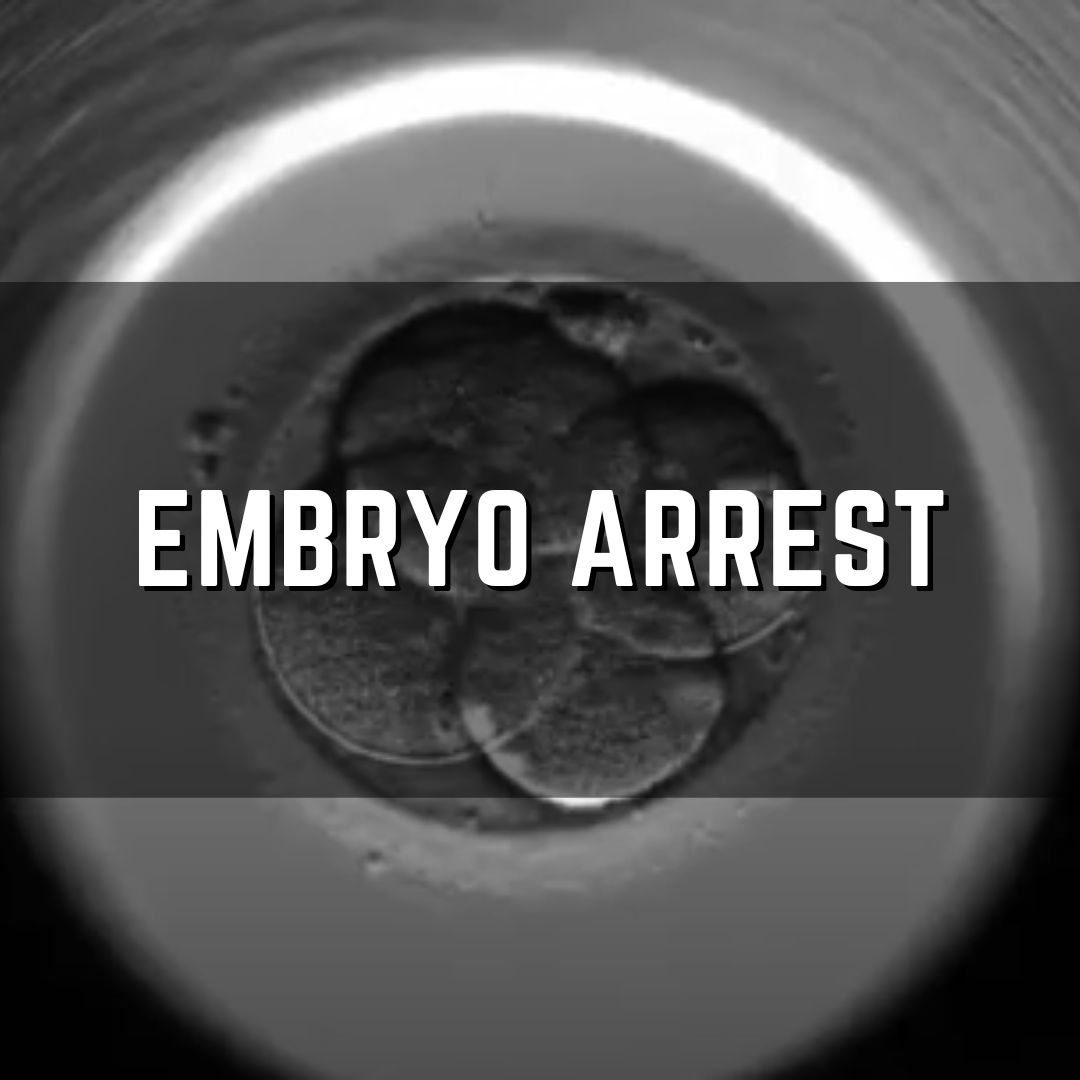
Embryo arrest is when an embryo stops developing, usually before reaching the blastocyst stage. This post explains possible causes, including embryonic genome activation, maternal effect genes, the subcortical maternal complex, aneuploidy, mitochondrial dysfunction, oxidative stress, lab conditions, and sperm DNA fragmentation.
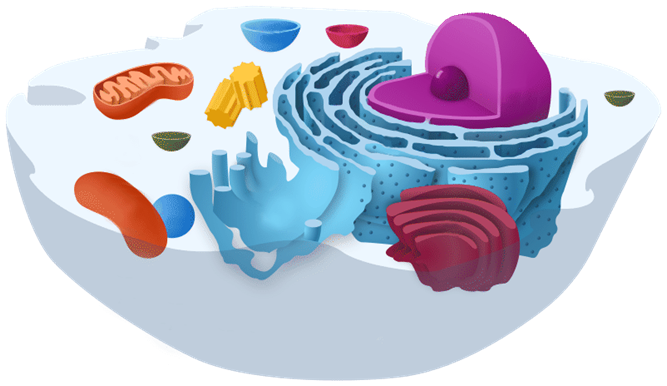

Not sure what your embryo grade means—or if it affects your chances of success? This guide walks you through everything from day 3 and day 5 grading systems to what each number and letter combo (like 3BB or 5AA) actually means. You’ll also find success rate research, embryo photos, and insights from a former embryologist to help make sense of your report.