
Welcome to the Embryo Gallery! Here people can submit photos of their embryos and the grade they received to share with the public. Most pictures were submitted by the actual owners after agreeing to share them, while others have come from ART Compass. This page is intended as a learning tool to show what embryos look like and how this translates into an embryo grade.
Table of Contents
Instructions for submission
Send an email to embryogallery@remembryo.com with any photos you’d like to submit and the grade provided by your clinic.
Cleavage Stage Embryos
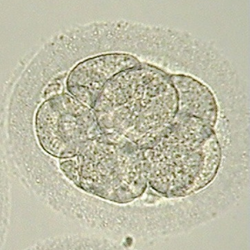
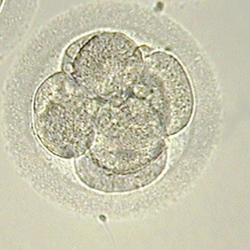
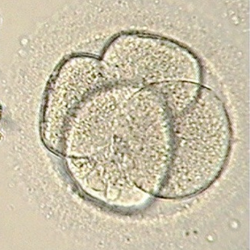
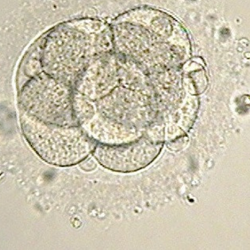
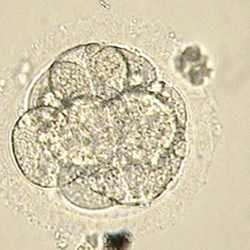
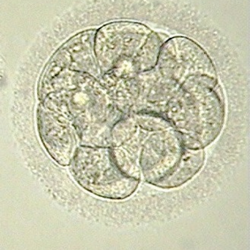
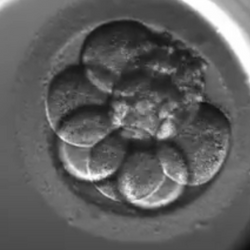
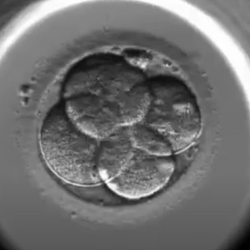
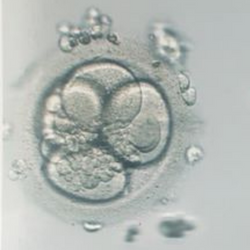
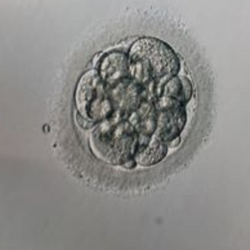
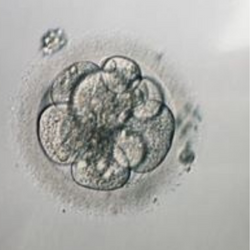
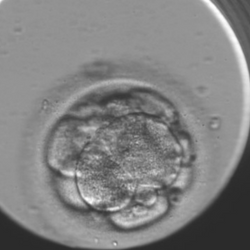
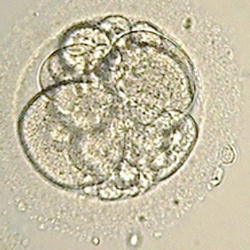
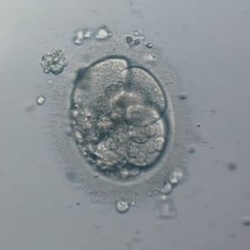
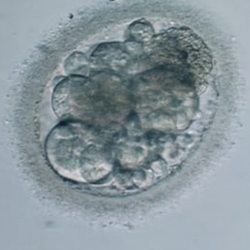
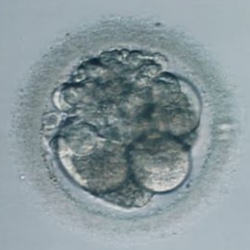
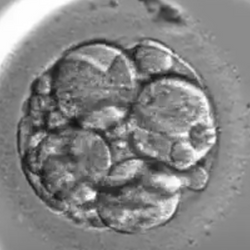
After insemination, cleavage stage embryos develop between days 1-3 in culture as shown below. Typically embryos are cultured until day 2 or 3 for transfer.
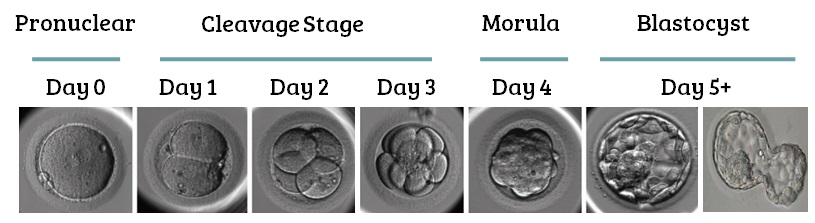
There are different ways to assess cleavage stage embryos but many follow these guidelines:
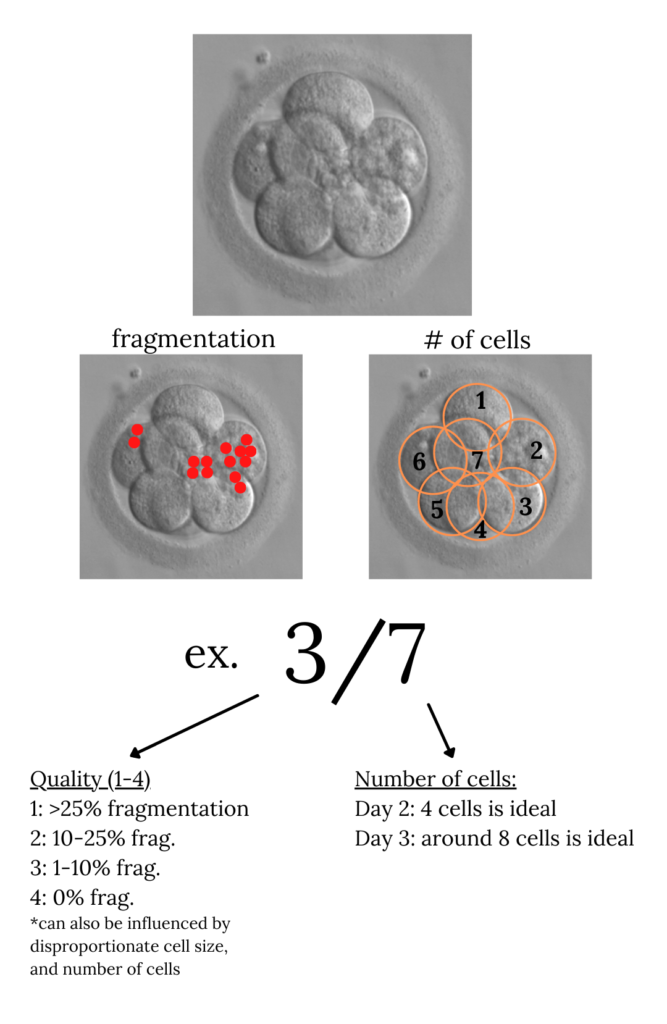
In terms of what’s considered “good, “”fair” and “poor:”
- 0% fragmentation: good quality
- 1-10% fragmentation: good quality
- 11-25% fragmentation: fair quality
- >25% fragmentation: poor quality
Note that the number of cells a cleavage stage embryo has also dictates the quality of the embryo. Ideally, around 4 cells is best for day 2 and around 8 cells for day 3. So if there’s a 4 cell embryo on day 3 without fragmentation, it might actually get a lower score because it only has 4 cells. In the images below I’m grouping embryos only by their fragmentation quality, and they could be day 2 or day 3.
Check out my complete guide to embryo grading and success rates to learn more.
Good quality cleavage stage embryos
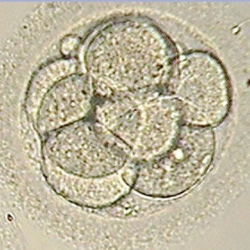
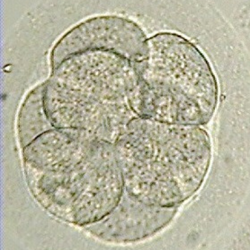
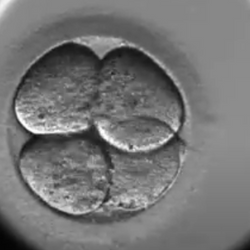
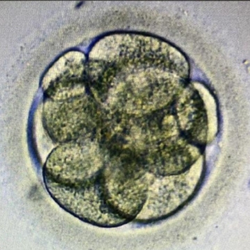
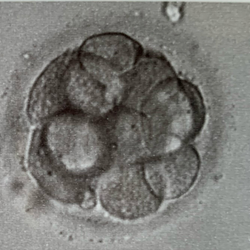
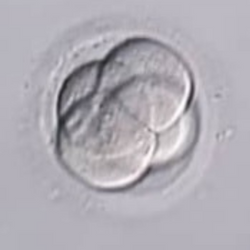
Fair quality cleavage stage embryos
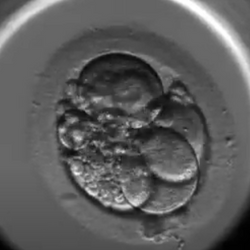
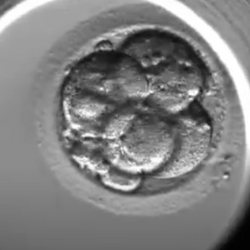
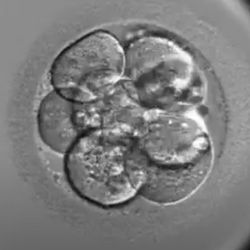
Poor quality cleavage stage embryos
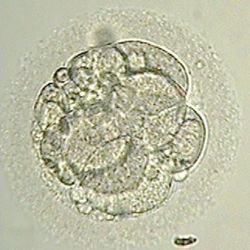
Blastocyst Stage Embryos
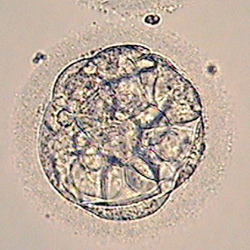
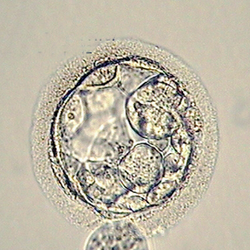
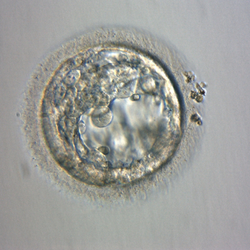
After insemination, blastocysts typically develop on days 5-7 as shown below:
Blastocysts are often graded based on the Gardner scale, which uses a number followed by two letters. For example, a 4BA is an embryo with expansion 4, an inner cell mass (ICM) score of B and a trophectoderm score of A.

Because of all the different types of grades possible, I’m going to be grouping embryos by their expansion only as early blasts (expansion 1 and 2), expanding blasts (3 and 4), hatching blasts (5) and hatched blasts (6).
Check out the details in my complete guide to embryo grading and success rates.
Early blastocyst (expansion 1 and 2)
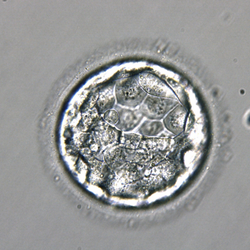
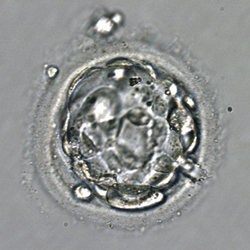
Expanding blastocyst (expansion 3 and 4)
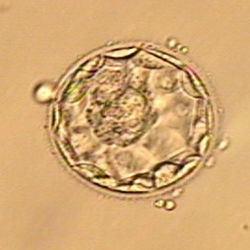
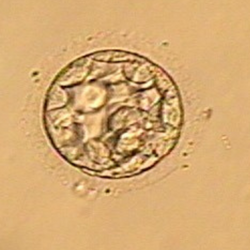
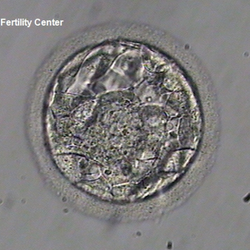
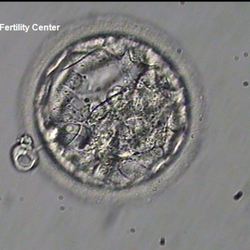
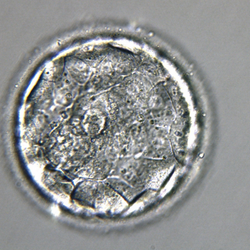
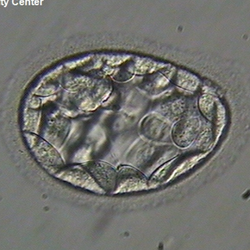
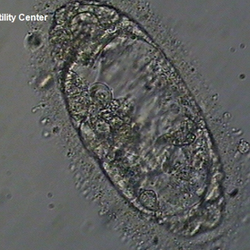
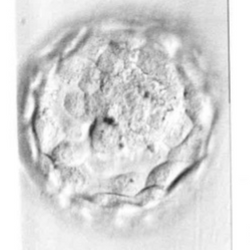
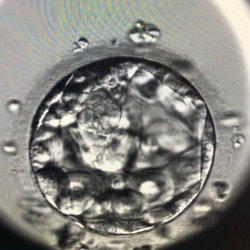
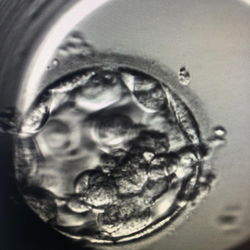
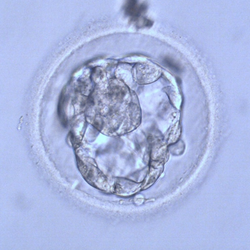
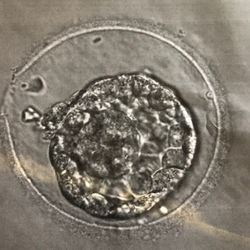
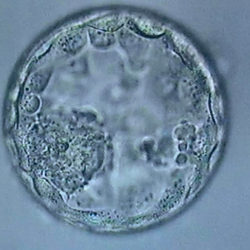
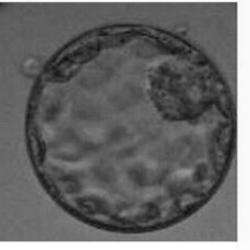
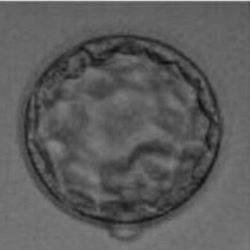
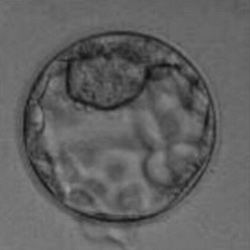
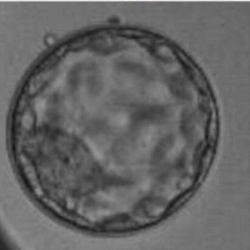
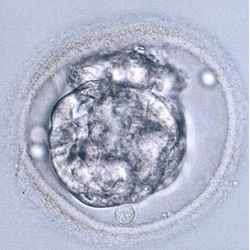
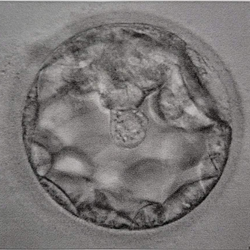
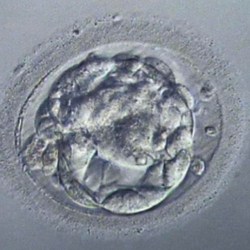
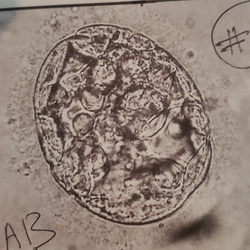
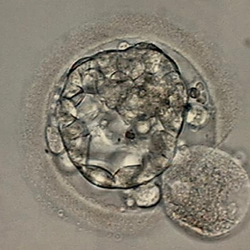
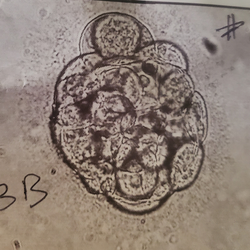
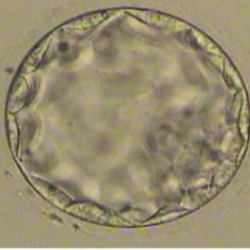
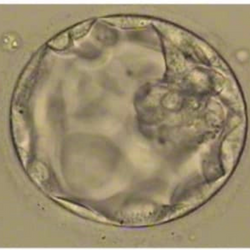
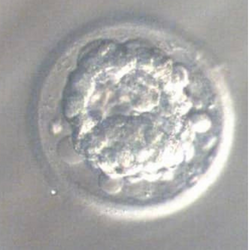
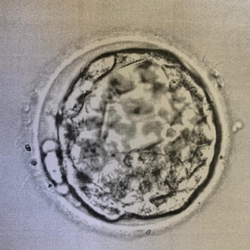
Hatching blastocyst (expansion 5)
Note that in some cases these embryos were originally given a grade that wasn’t a “5” for expansion. This is likely because the embryo was assisted hatched and the embryo is artificially hatching, so the original grade hasn’t been changed. To avoid confusion I’m changing the expansion to 5.
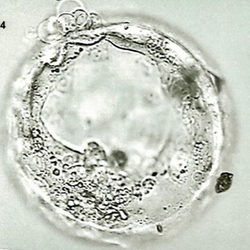
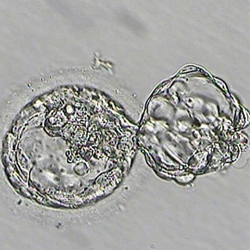
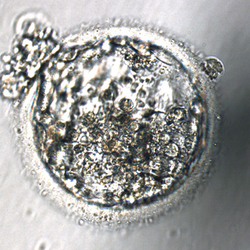
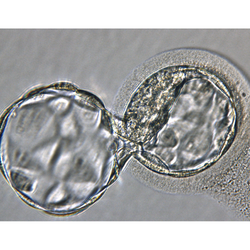
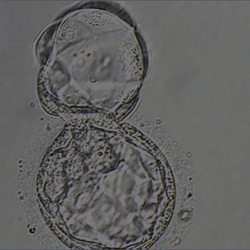
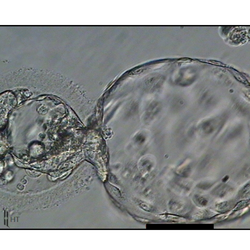
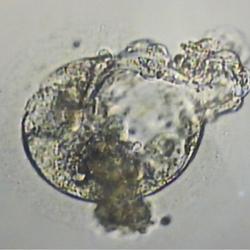
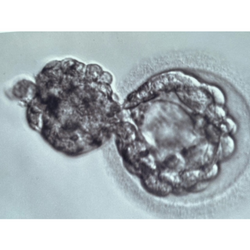
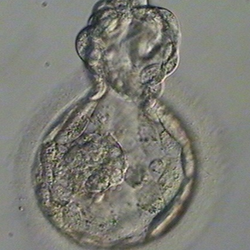
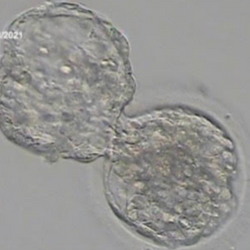
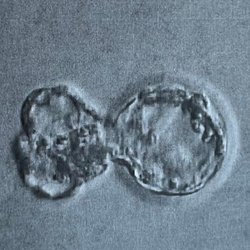
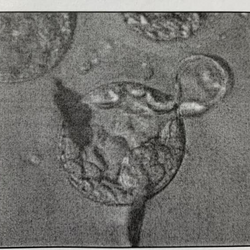
Hatched blastocyst (expansion 6)
Related posts:
 Complete Guide to Embryo Grading and Success Rates
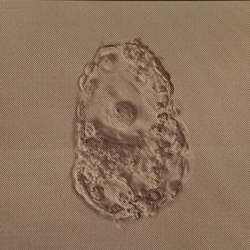
 Study examines potential of PGT-A on poor quality embryos
 Study examines where embryos do best: lab vs the uterus
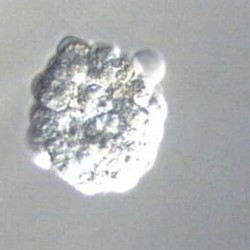
 Study examines transferring a good and poor quality embryo together
 Fully hatched embryos show no differences in pregnancy outcomes
 Transfer of day 7 embryos a viable option
 Comparable outcomes with good quality day 6 and poor quality day 5 embryos
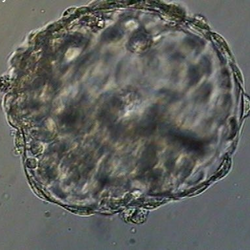
 AI model predicts live births from blastocyst images with highest accuracy yet