
Implantation
A 2025 study found that PCX, a surface molecule on endometrial cells, may lead to a shorter implantation window in women with endometriosis and might explain the stickiness of lesions outside the uterus.

Researchers in a 2025 study found that women with RPL show distinct immune-related gene activity in their endometrium, identifying a possible molecular signature that could help diagnose or personalize treatment for RPL in the future.
A 2025 study compared changes in gene expression in the endometrium of women with or without RIF, finding many differences, with most involving immune cell populations.

A 2025 study found that RIF and RPL patients with abnormal EMMA & ALICE results that had antibiotic and/or probiotic treatment showed similar pregnancy rates to those with normal EMMA & ALICE results.
A 2025 study found that live birth rates increased with endometrial thickness up to about 9 mm, after which they plateaued.
A new study reviewed how fibroids can compromise the endometrium and prevent embryo implantation, identifying key issues such as disrupted blood flow and vascular changes, abnormal endometrial peristalsis, inflammatory responses, and changes in the microbiome.
A 2024 study found that patients with recurrent pregnancy loss have congenital uterine anomalies at a rate of 8-19%, with 23% having adenomyosis.
Successful embryo implantation and pregnancy depends on careful control of the immune system. In this post, we’ll explore the general workings of the immune system and its role in pregnancy, examining how dysregulation of immune cells like natural killer (NK) cells and macrophages can impact fertility. Additionally, we’ll look into autoimmunity and discuss how immunotherapies may be used to improve IVF outcomes.

Researchers in a 2024 study found that patients that have 5 consecutive euploid transfers had a cumulative live birth rate of 98.1%, suggesting that most cases of implantation failure are due to the embryo, and that true unexplained RIF occurs in less than 2% of patients.

Researchers in a 2024 study measured leukocyte (white blood cell) levels in women preparing for pregnancy, and found that miscarriage risk was lower with high total leukocytes. Specific immune cells examined include monocytes, eosinophils, basophils, lymphocytes and neutrophils.
Researchers in a 2023 study found that increasing female BMI resulted in decreased pregnancy and live birth rates after a single euploid transfer, while pregnancy loss rates increased. This effect was reduced in cases of male factor infertility only, suggesting that weight itself may not be responsible.


Researchers in a 2023 study found that probiotic supplementation had no impact on positive hCG pregnancy rates, but may improve miscarriage rates.
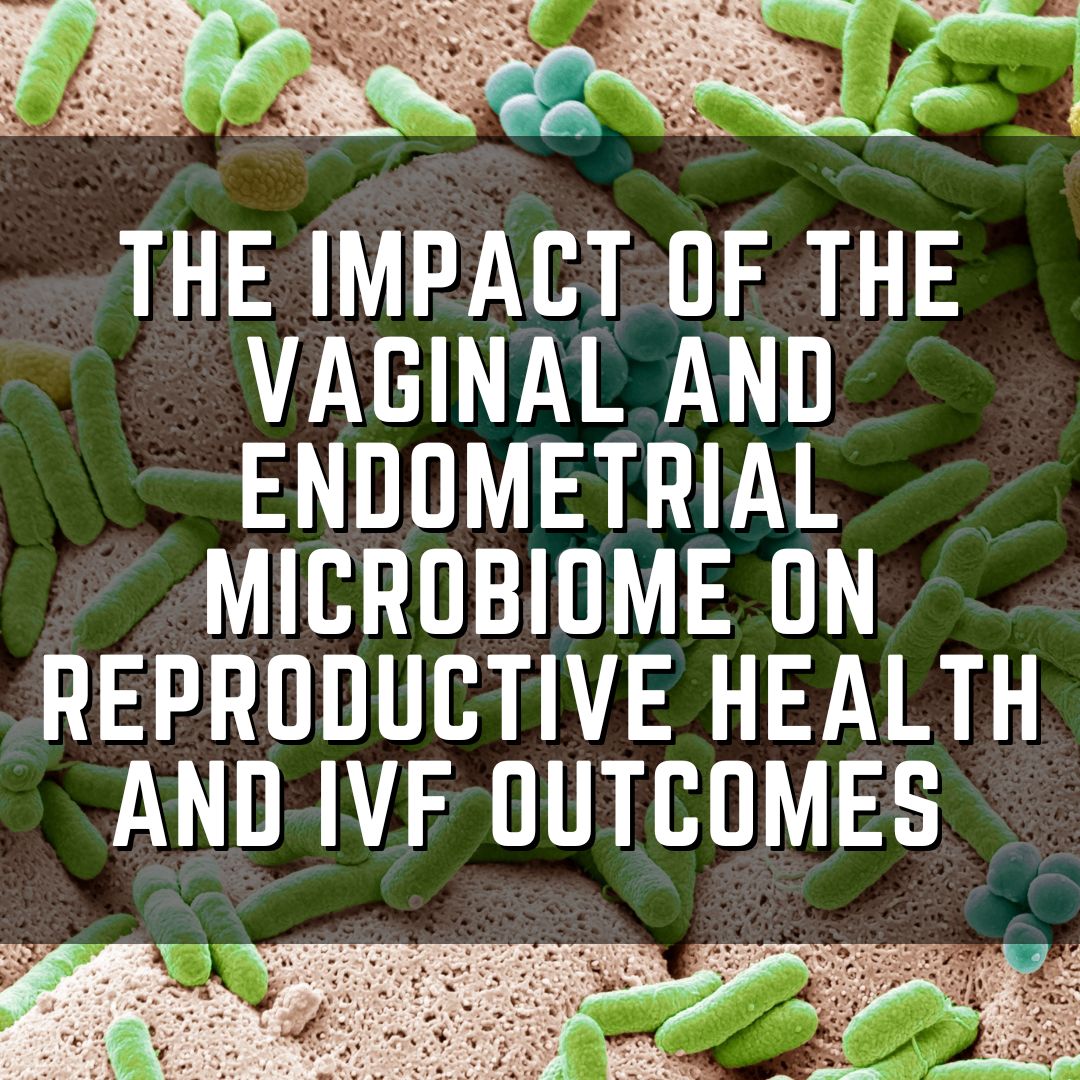
This post reviews what research currently shows about the vaginal and endometrial microbiome and how it may relate to fertility and IVF outcomes. While Lactobacillus species are often considered beneficial and are commonly found in the reproductive tract, studies examining whether microbiome differences actually affect IVF success have produced mixed results.

Researchers in a 2023 study found decreased adverse pregnancy and neonatal outcomes in those who performed a natural vs medicated FET, including abnormal birth weights, preeclampsia, preterm births, and more.

Researchers in a 2023 study found improved frozen embryo transfer outcomes in patients who had protected sex the night before the procedure, that was not attributed to semen contact.

Researchers in a 2023 study discovered 6 genes associated with recurrent miscarriage of euploid embryos, which were found to impair reproductive ability in mouse models.

Researchers in a 2022 study found no difference in live birth rates in those that transferred embryos by standard timing or timing established by the ERA.