Embryo arrest
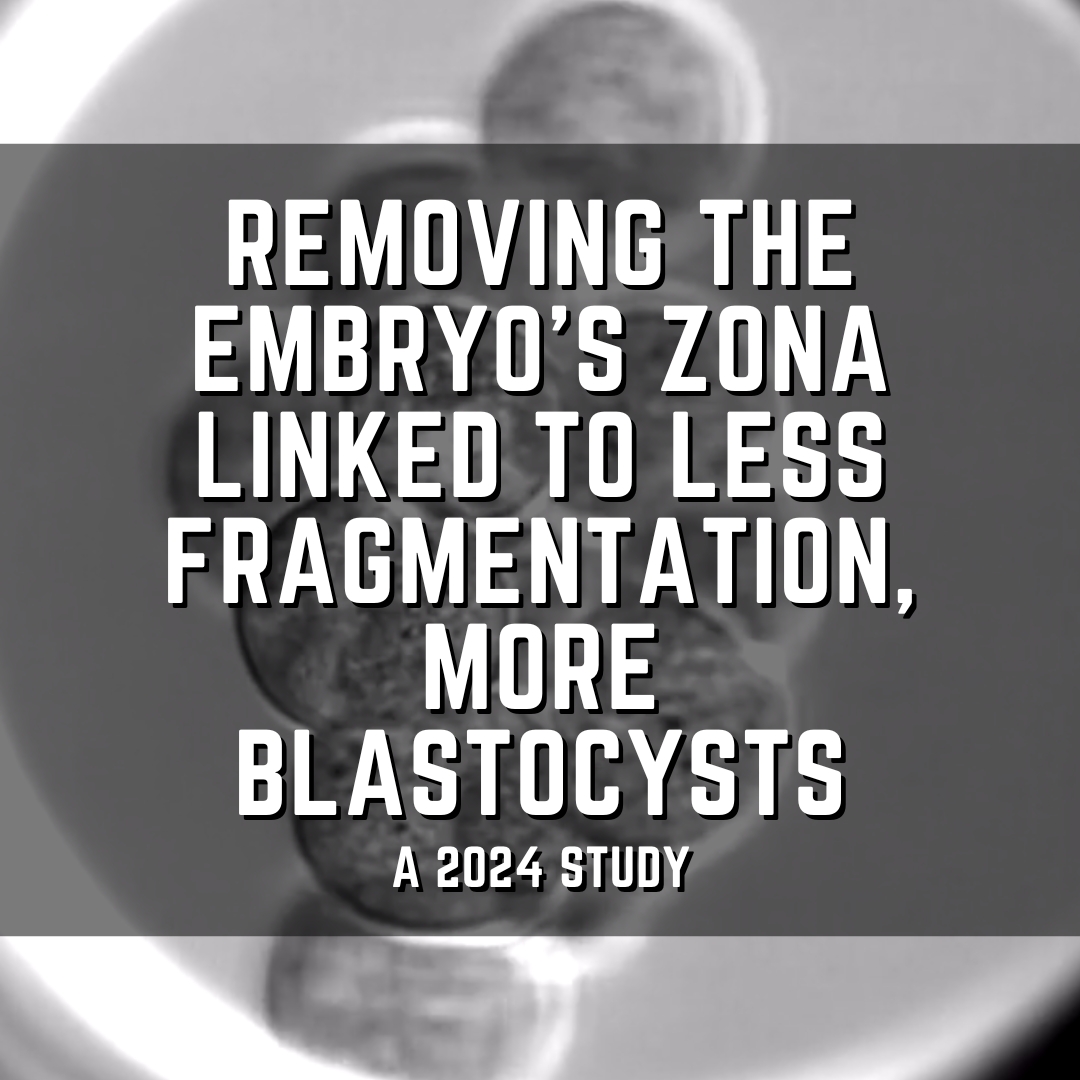
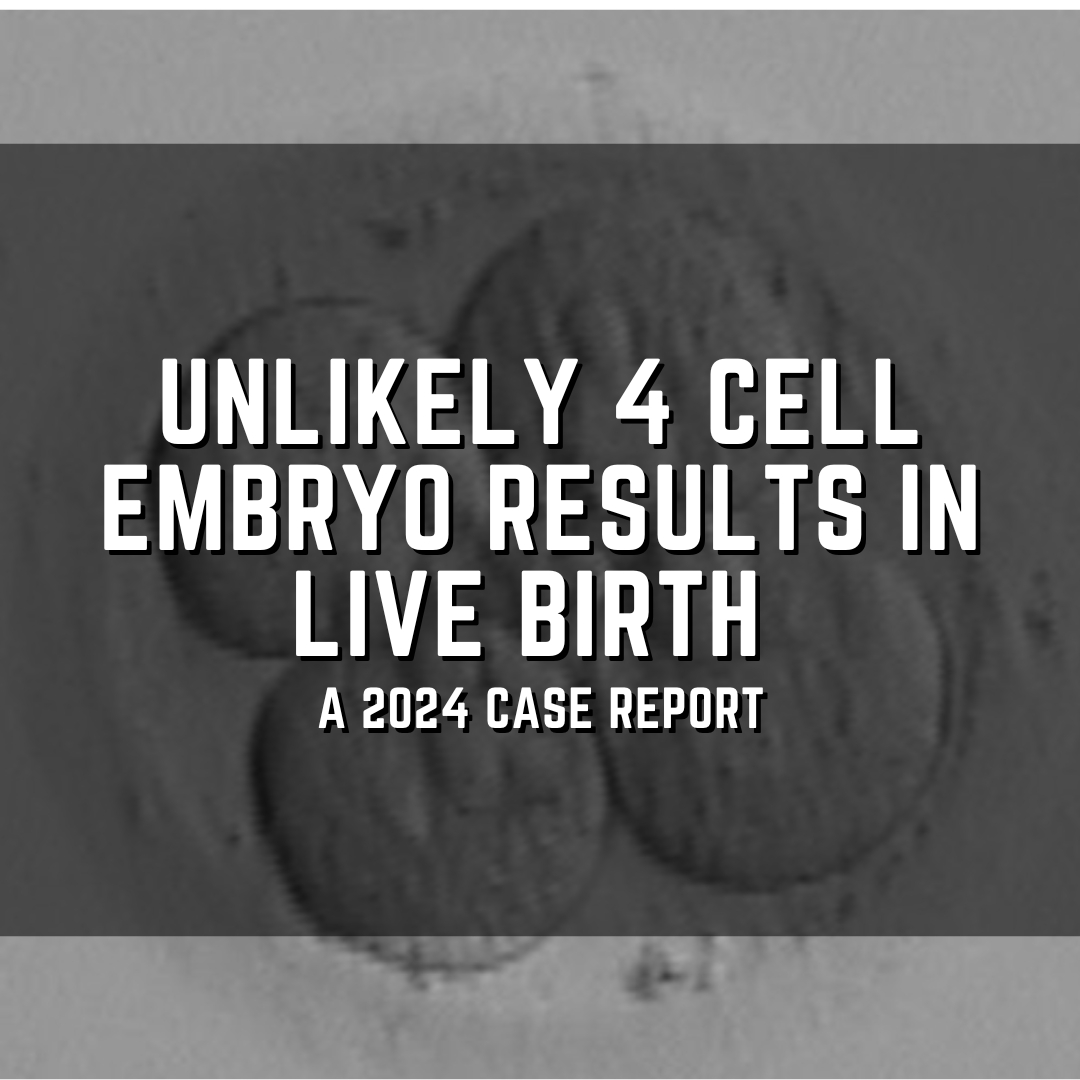
Researchers in a 2024 study showed that by artificially removing the embryo’s zona (shell) right after fertilization reduced fragmentation, improved blastocyst development, and led to live births in patients with repeated IVF failure, though the findings are still preliminary and need confirmation in larger trials.
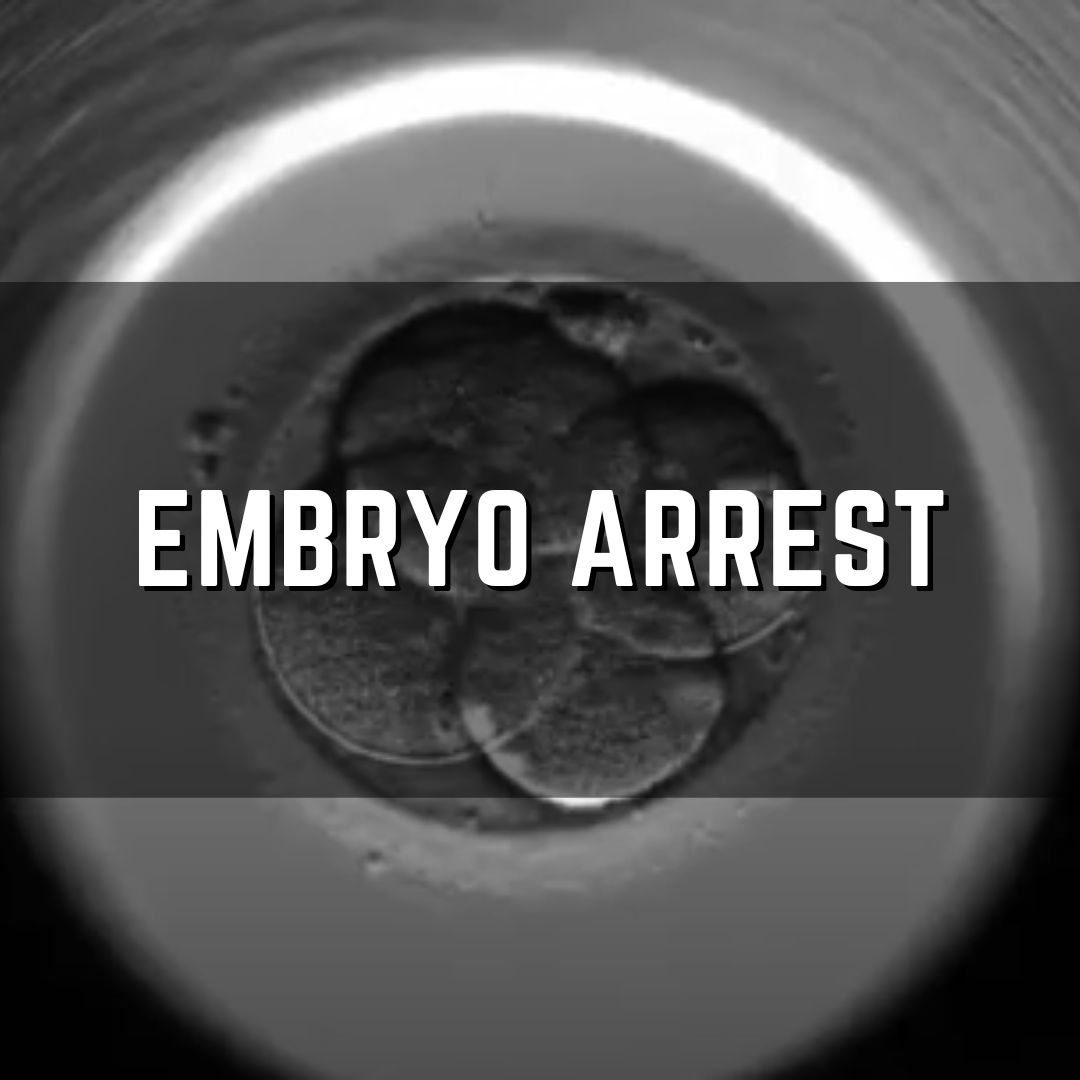
Embryo arrest is when an embryo stops developing, usually before reaching the blastocyst stage. This post explains possible causes, including embryonic genome activation, maternal effect genes, the subcortical maternal complex, aneuploidy, mitochondrial dysfunction, oxidative stress, lab conditions, and sperm DNA fragmentation.