Researchers in a 2026 study proposed statistical thresholds that may help distinguish between poor IVF results that can happen by chance and those that may need a closer look.

Researchers in a 2026 study proposed statistical thresholds that may help distinguish between poor IVF results that can happen by chance and those that may need a closer look.
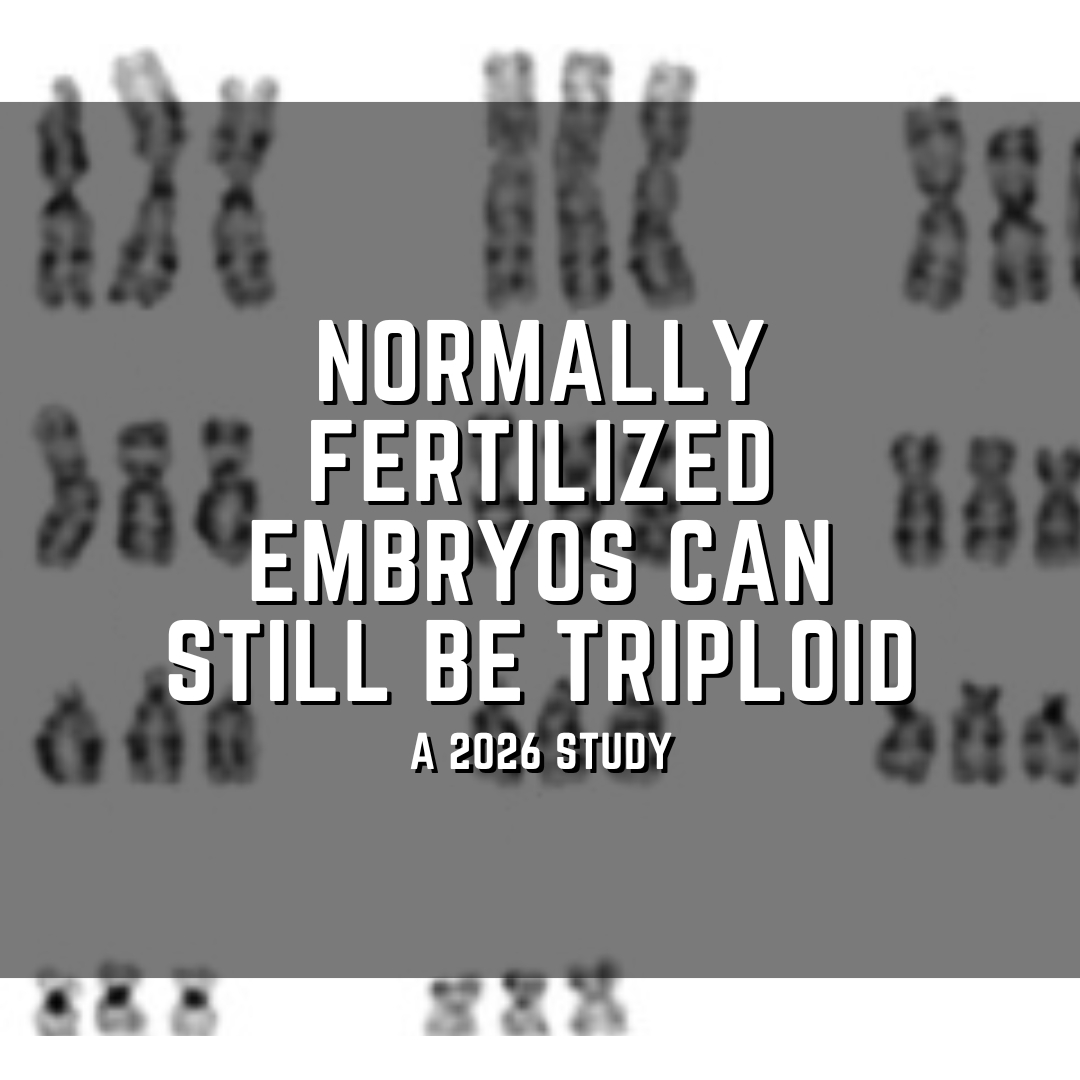
Researchers in a 2026 study found that about 0.4% of blastocysts derived from apparently normal 2PN fertilization were triploid, and although these embryos were more likely to have abnormal polar body extrusion, genetic testing is still the only reliable way to identify them.
In DOR patients, a 2025 study found that follicles measuring 15–17 mm at the time of egg retrieval were associated with the best outcomes, suggesting that optimal trigger timing in this group might occur earlier than standard thresholds used for normal responders.
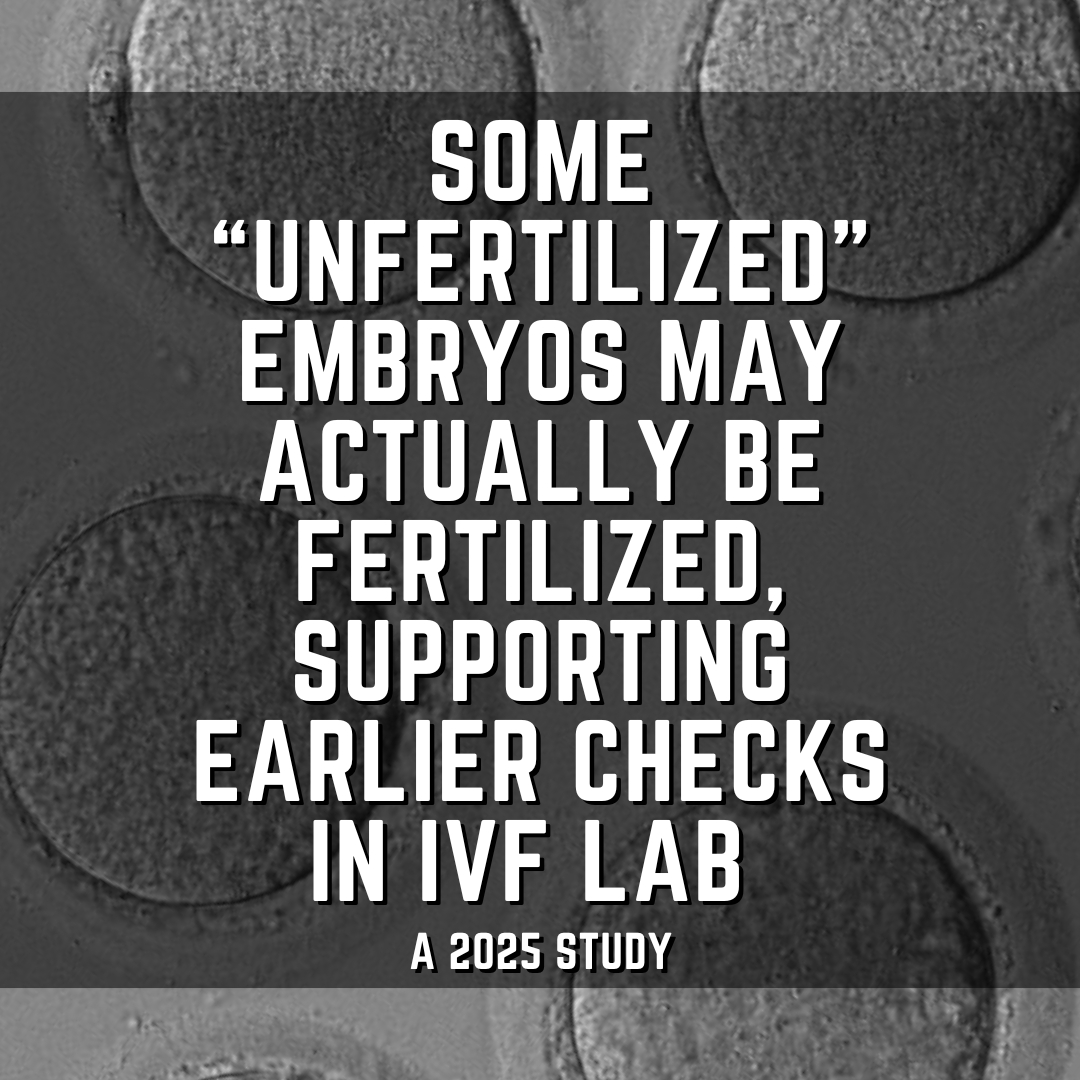
A 2025 study found that 0PN zygotes can actually be normally fertilized but missed during the standard 16–18 hour fertilization check, while those that never form pronuclei are likely unfertilized eggs, supporting a slightly earlier check around 16–17 hours and continued culture of 0PNs to the blastocyst stage for confirmation of fertilization.
A large 2025 study of donor egg cycles found that poor fertilization in IVF is uncommon, but when it does occur it’s usually caused by sperm rather than the egg. Most cases of low fertilization were sperm-related, while only a minority were linked to eggs or other factors.
A 2025 meta-analysis found that while 1PN zygotes don’t convert to blastocyst as well and have lower success rates when untested, those confirmed as euploid can lead to healthy births, but extra care is needed to confirm they are truly normal.
A 2024 meta-analysis combined the results of 12 studies comparing the use of artificial oocyte activation (AOA) on IVF outcomes. They found that there were increases in fertilization and live birth rates, but only in patients with a history of fertilization problems.
Researchers in a 2024 study identified what factors were involved in fertilization failure and built a nomogram (calculator) to help predict when this happens, with moderate predictive ability.

Researchers in a 2021 review examined how sperm and eggs can sometimes be genetically incompatible, based on a group of proteins called human leukocyte antigens (HLA), which may lead to implantation failure or embryo arrest when they’re mismatched.

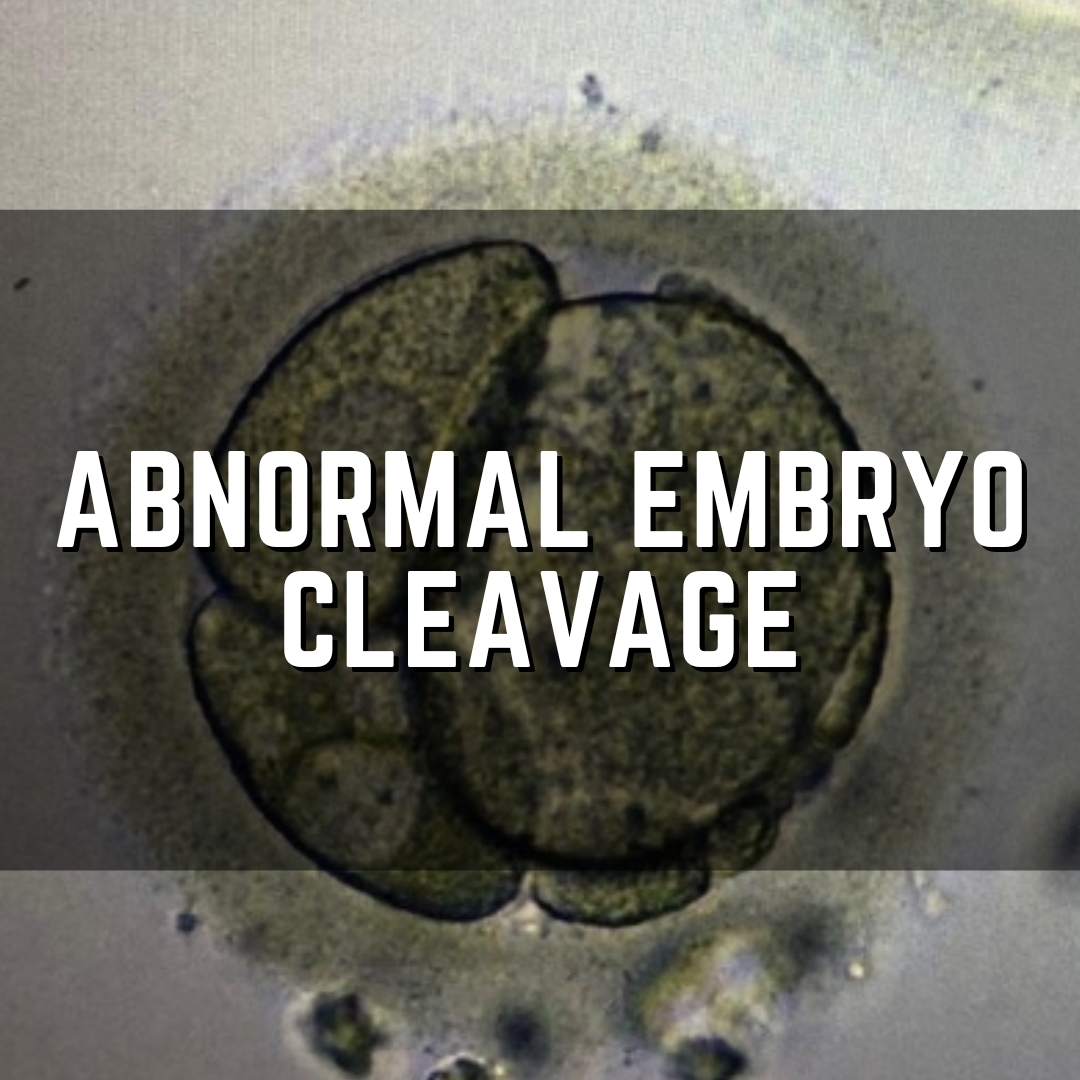
This post covers what occurs during normal fertilization and what it means to have an abnormally fertilized zygote (0PN, 1PN, 3PN, 4PN). Using PGT to test these embryos reveals that many have the correct number of chromosome sets and can lead to successful live births.
Researchers in a 2020 study compared IVF outcomes by follicle sizes, and found that larger follicles generally produced mature eggs that were more likely to develop into blastocysts.

Researchers in a 2019 study compared IVF outcomes from men with low or high sperm DNA fragmentation, finding that high SDF patients had poorer quality blastocysts and a higher chance of miscarriage.