A 2025 study found that nearly one in three IVF patients without PCOS or diabetes had insulin resistance, which was linked to lower success rates, but taking metformin before embryo transfer seemed to help.

A 2025 study found that nearly one in three IVF patients without PCOS or diabetes had insulin resistance, which was linked to lower success rates, but taking metformin before embryo transfer seemed to help.

Researchers in a 2023 study found that increasing female BMI resulted in decreased pregnancy and live birth rates after a single euploid transfer, while pregnancy loss rates increased. This effect was reduced in cases of male factor infertility only, suggesting that weight itself may not be responsible.
Researchers in a 2023 study found that probiotic supplementation had no impact on positive hCG pregnancy rates, but may improve miscarriage rates.
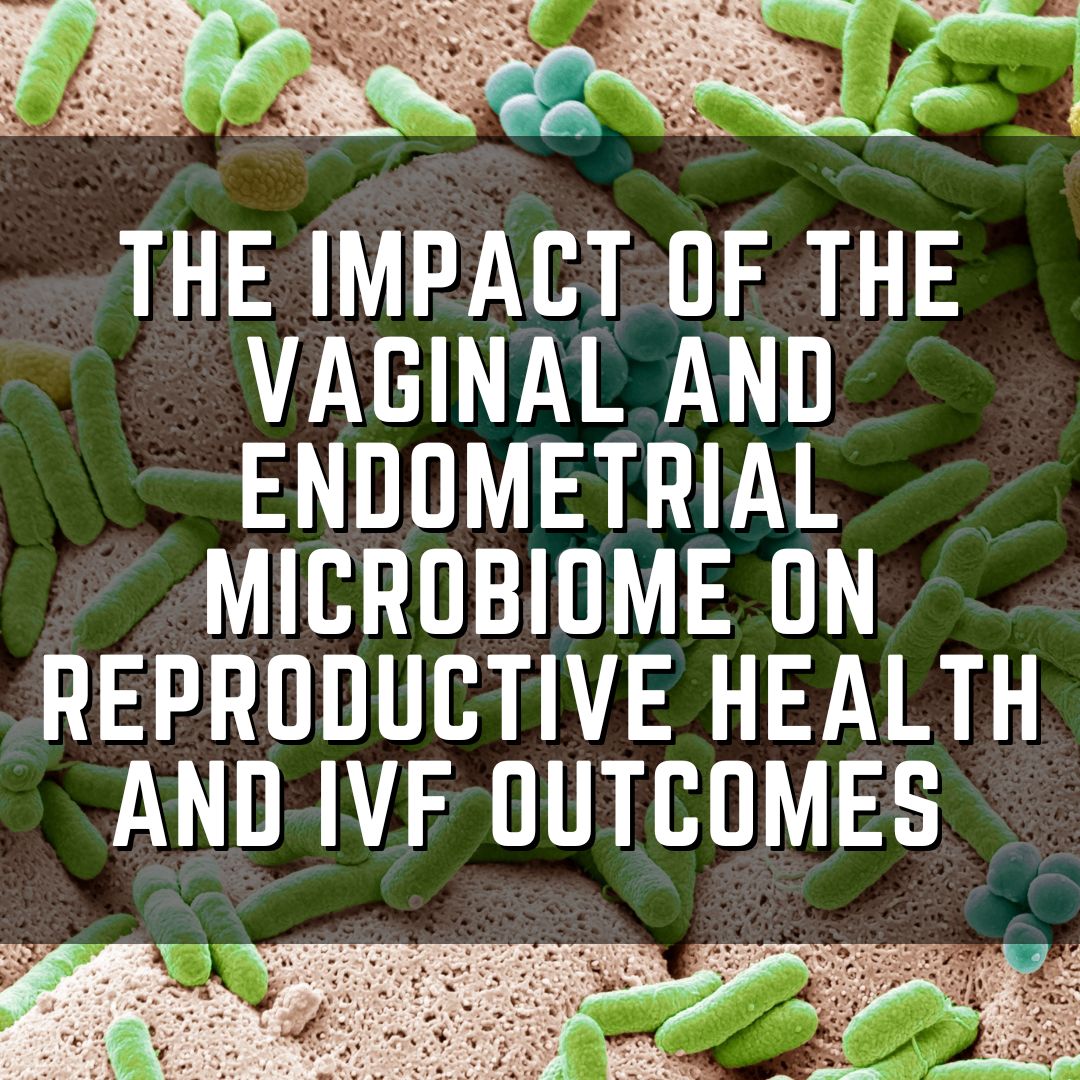
This post reviews what research currently shows about the vaginal and endometrial microbiome and how it may relate to fertility and IVF outcomes. While Lactobacillus species are often considered beneficial and are commonly found in the reproductive tract, studies examining whether microbiome differences actually affect IVF success have produced mixed results.
This post covers the variety of reasons embryos can fail to implant or miscarry, including as a result of advanced maternal age, chromosomal translocations, lifestyle, endometritis, the microbiota, immunological issues, endometrial receptivity, the clinic, and more. Note that this is not a complete list, and will be updated periodically.