
What IVF add-ons work best for older patients? Results of a meta-analysis

A 2025 meta-analysis combined 151 studies on interventions for advanced maternal age (>35) patients. It found no clear advantage to any specific stimulation protocol or FSH type, no benefit from routine ICSI, and decreased live birth with assisted hatching, while more research is needed on blastocyst versus cleavage-stage transfer and on PGT-A with modern methods.

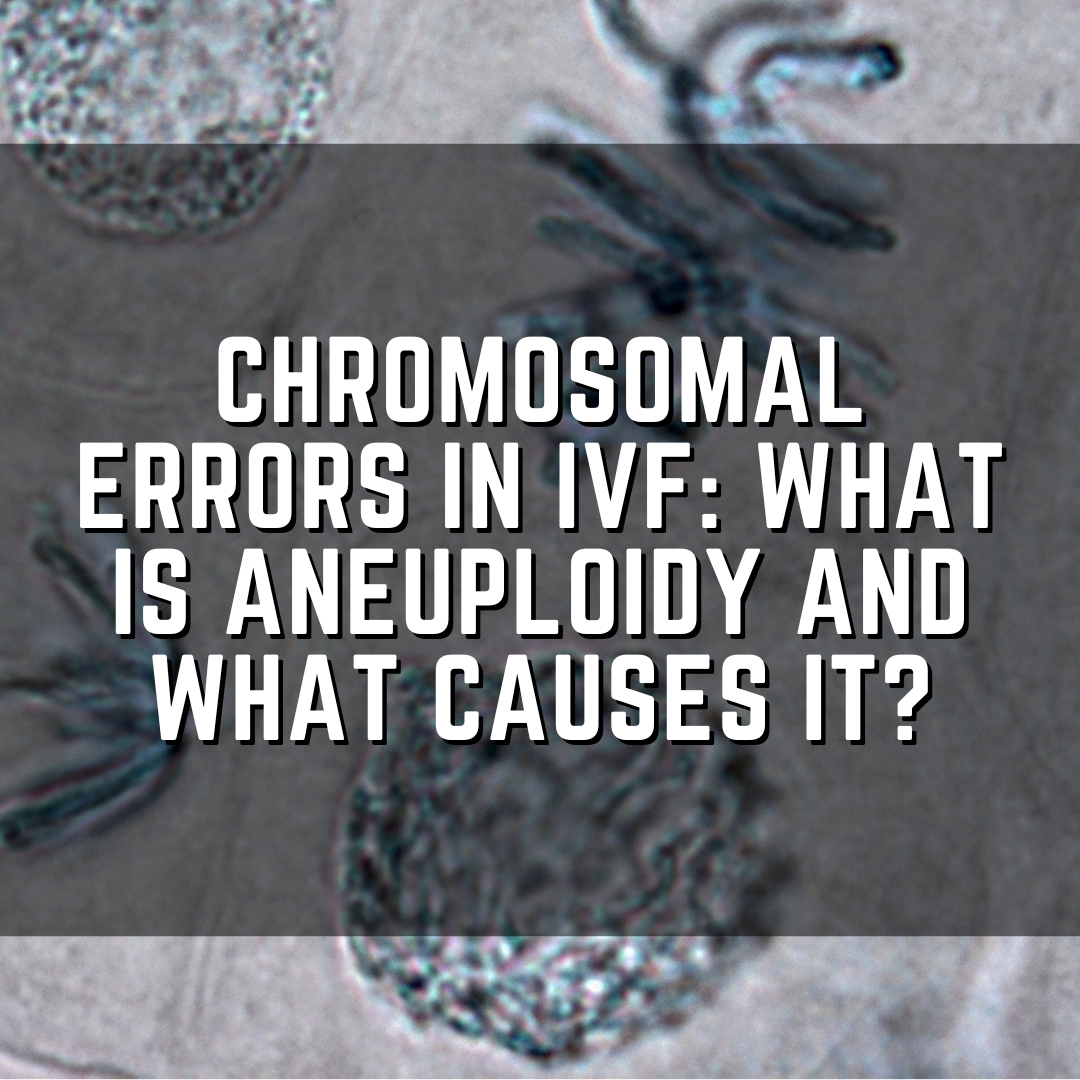
Chromosomal errors in IVF: What is aneuploidy and what causes it?

Aneuploid embryos, with an abnormal number of chromosomes, are a major cause of miscarriages, often linked to maternal age and errors in meiosis. In this post, we’ll explore what chromosomes and aneuploidy are, how meiosis errors cause aneuploidy, and the factors contributing to these errors, including age, genetics and mitochondrial dysfunction.

“True” recurrent implantation failure is rare after five consecutive euploid embryo transfers

Researchers in a 2024 study found that patients that have 5 consecutive euploid transfers had a cumulative live birth rate of 98.1%, suggesting that most cases of implantation failure are due to the embryo, and that true unexplained RIF occurs in less than 2% of patients.

Patients with or without endometriosis have similar live birth rates after PGT-A

Researchers in a 2023 study found that patients with or without endometriosis have comparable live birth rates after transferring a euploid embryo, although patients may have been surgically treated (a limitation). Endometriosis patients are more likely to produce aneuploid embryos.

Meta-analysis combines 74 studies to examine factors linked to euploid transfer success

Researchers in a 2023 study combined the results of 74 studies to investigate what factors contribute to euploid live birth and miscarriage rates, identifying embryo quality, maternal age, specific diagnoses, repeat freeze/thaw, and other factors.