
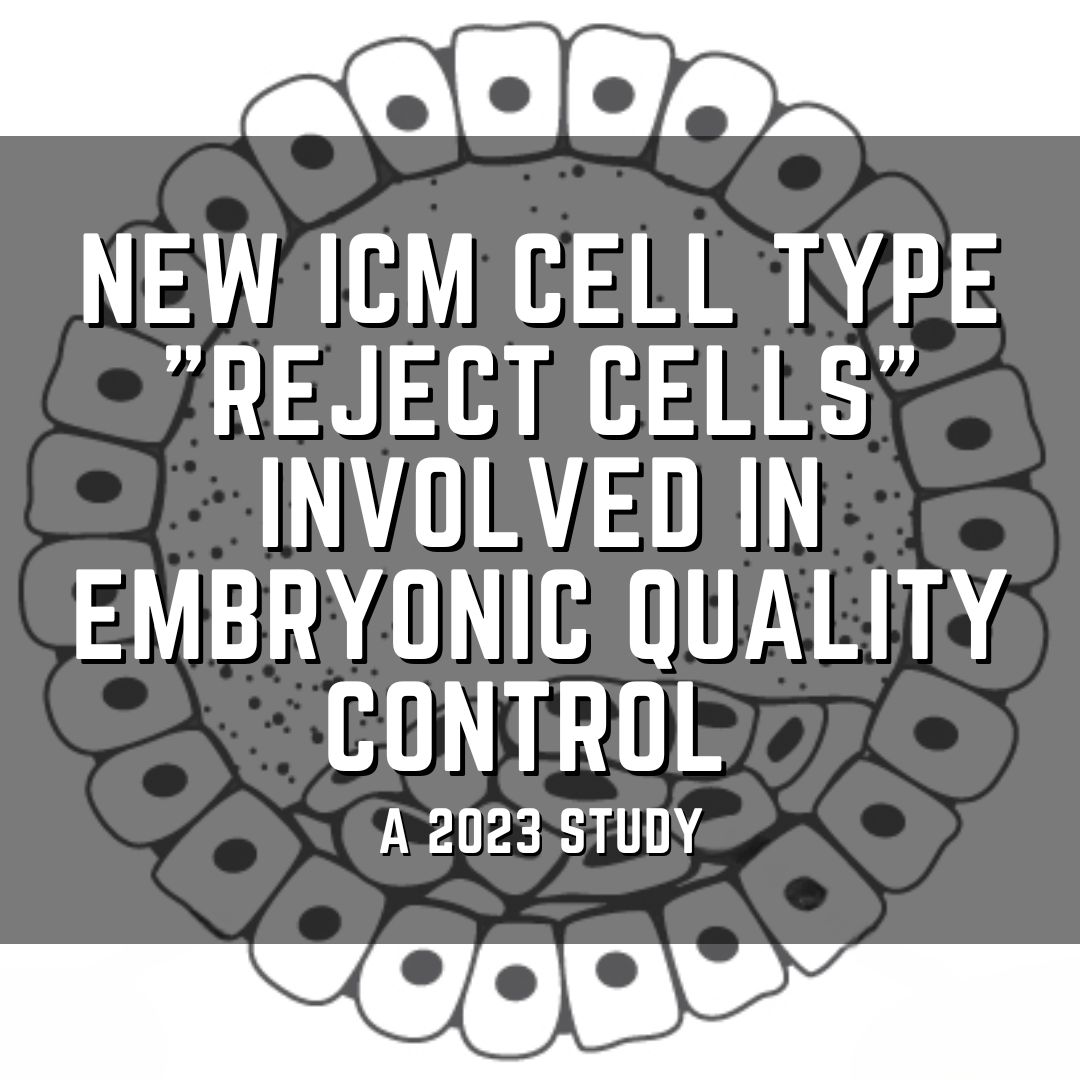
Embryo Quality

Researchers in a 2023 study found that good quality embryos were more likely to give rise to male births, particularly those with higher quality trophectoderm scores.

Researchers in their 2022 Cochrane review, performed a meta-analysis and combined the results of 32 studies that compared pregnancy outcomes of blastocyst and cleavage stage embryos, and found that blastocysts tend to produce better outcomes.

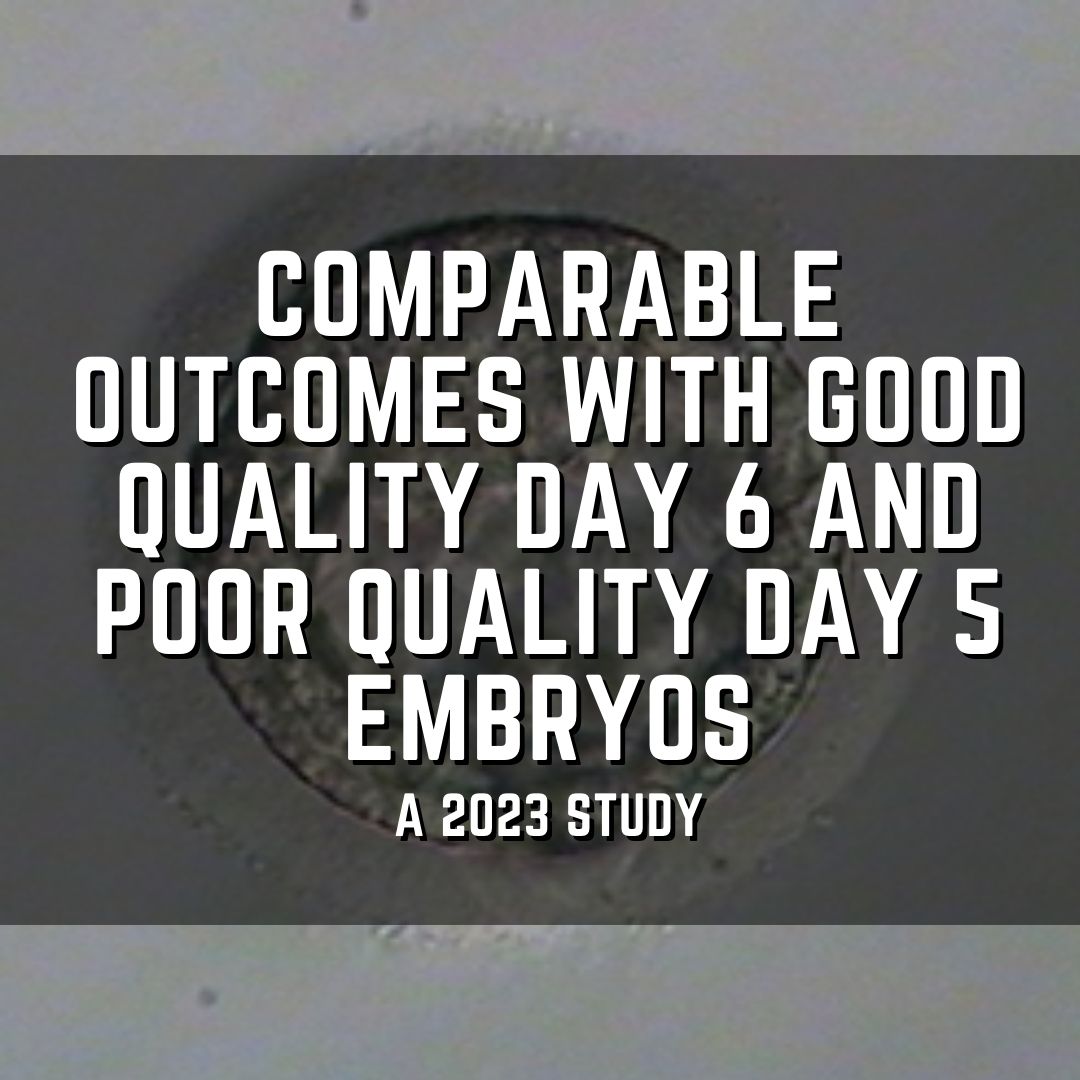
Researchers in a 2023 study found comparable pregnancy and neonatal outcomes when transferring a day 5 poor quality or a day 6 good quality embryo.

Researchers in a 2022 study performed a meta-analysis to combine the results of studies examining the transfer of a good and poor quality embryo together (vs one good quality embryo alone), and found no differences in pregnancy or live birth rates, but increases in the rate of multiples.






Researchers in a 2022 study showed that extending embryo culture to day 7 increases the number of useable blastocysts, particularly for older women.

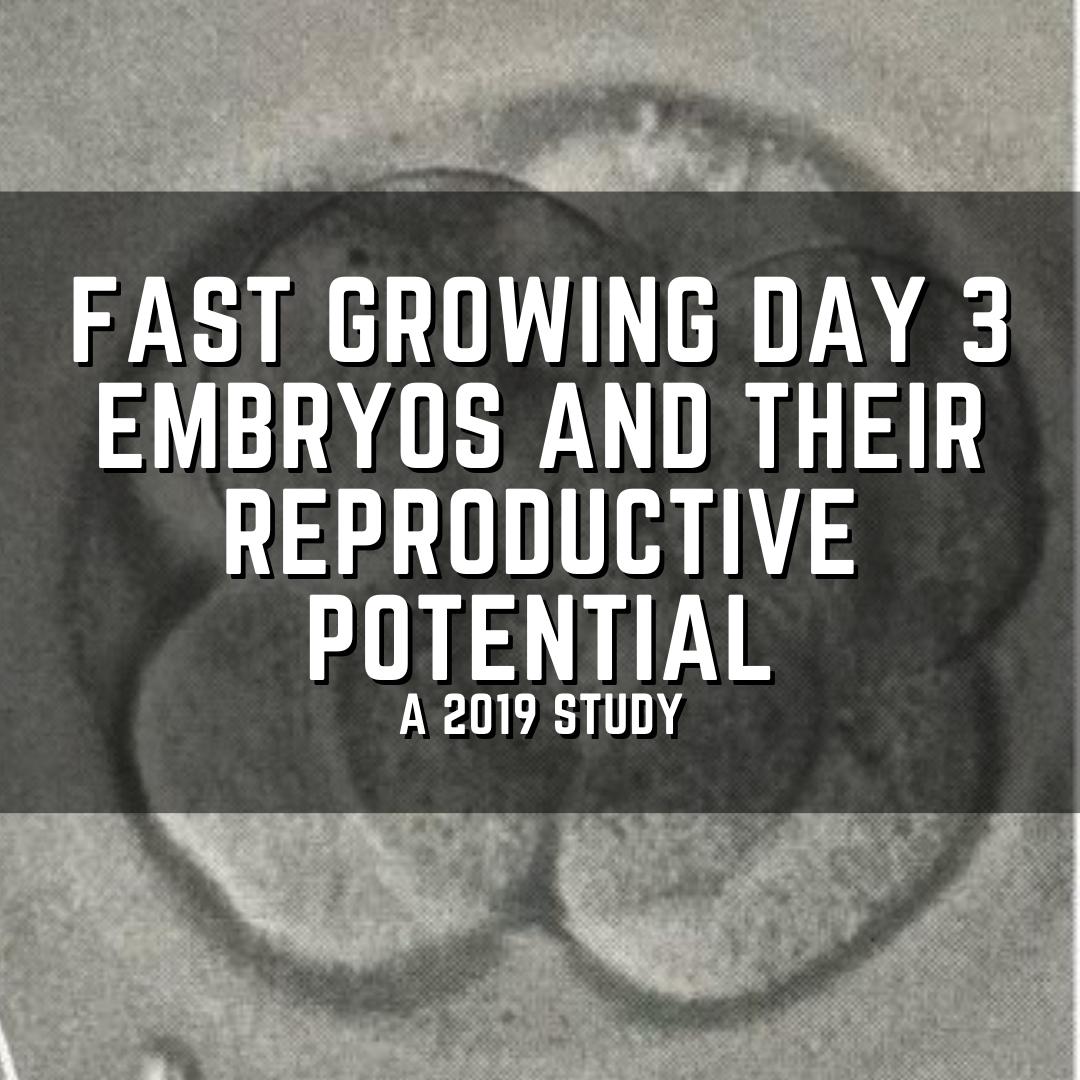

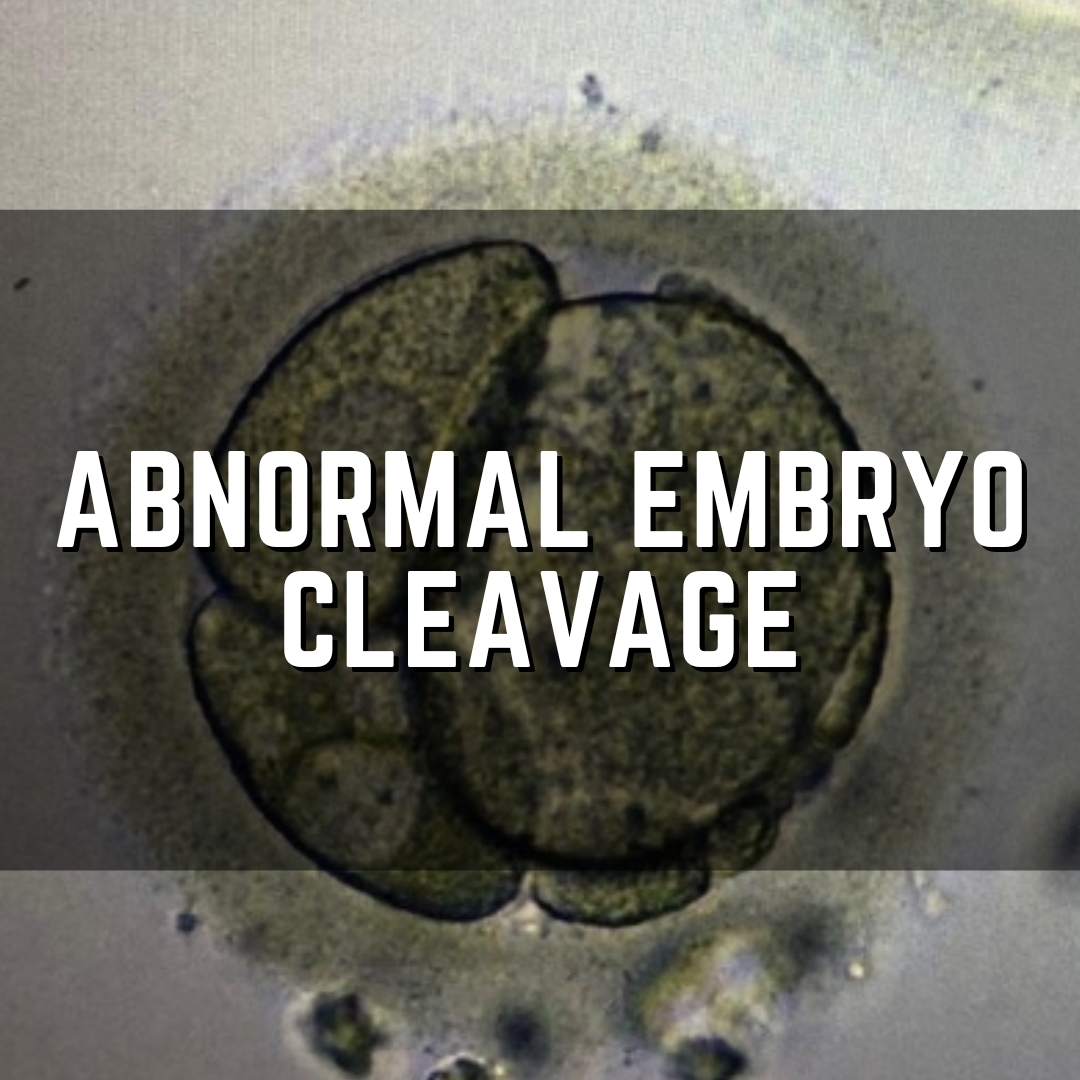
This post covers what occurs during normal fertilization and what it means to have an abnormally fertilized zygote (0PN, 1PN, 3PN, 4PN). Using PGT to test these embryos reveals that many have the correct number of chromosome sets and can lead to successful live births.



This post takes a closer look at what “poor-quality” embryos really mean in IVF. At the cleavage stage, they often have fewer cells or high fragmentation, while at the blastocyst stage, a grade C means the inner cell mass and trophectoderm contain fewer, loosely packed cells. These embryos tend to have lower success rates than good-quality ones, but studies show they can have similar perinatal outcomes.



Researchers in a 2019 study compared euploid transfer outcomes for day 5, 6 or 7 euploids, finding that day 7 embryos have good potential.



Embryo arrest is when an embryo stops developing, usually before reaching the blastocyst stage. This post explains possible causes, including embryonic genome activation, maternal effect genes, the subcortical maternal complex, aneuploidy, mitochondrial dysfunction, oxidative stress, lab conditions, and sperm DNA fragmentation.

Not sure what your embryo grade means—or if it affects your chances of success? This guide walks you through everything from day 3 and day 5 grading systems to what each number and letter combo (like 3BB or 5AA) actually means. You’ll also find success rate research, embryo photos, and insights from a former embryologist to help make sense of your report.