Researchers in a 2026 meta-analysis combined the results of 11 randomized trials and found that natural FETs were associated with slightly higher live birth rates and lower miscarriage rates than medicated FETs in women who ovulate regularly.

Researchers in a 2026 meta-analysis combined the results of 11 randomized trials and found that natural FETs were associated with slightly higher live birth rates and lower miscarriage rates than medicated FETs in women who ovulate regularly.
Researchers in a 2026 study found that a single ultrasound performed at 45 days of IVF gestation may be sufficient to diagnose many miscarriages without the need for a repeat scan.
Researchers in a 2026 randomized controlled trial found that natural FETs using euploid embryos were associated with lower early pregnancy loss rates and higher live birth rates than medicated transfers, although the study was stopped early.
Researchers in a 2026 study found that higher beta-hCG levels measured 9 days after a single euploid embryo transfer were linked to a higher chance of live birth and a lower chance of biochemical pregnancy loss or ectopic pregnancy.
The ASRM published their 2026 guidelines on managing recurrent pregnancy loss (RPL), reviewing which tests and treatments are supported by evidence, which may be considered in certain situations, and which are not routinely recommended.
A 2026 meta-analysis combined the results of 105 studies to examine the causes of recurrent pregnancy loss (RPL), finding that unexplained RPL and acquired thrombophilia were the most common.
Researchers in a 2026 study found that natural FETs using donor eggs were linked to higher live birth rates, lower miscarriage rates, and lower rates of some pregnancy complications compared to medicated FETs.
Research in a 2026 study found that bacteria detected on the embryo transfer catheter were linked to lower live birth rates, likely reflecting the patient’s own microbiome being carried into the uterus during transfer.
A 2026 study found that low β-hCG levels (≤50 mIU/mL at 9 days after blastocyst transfer) were linked to much lower live birth rates, and that how hCG rises over time is more predictive of outcome than the initial value.
A 2026 meta-analysis explored ways to optimize natural FETs, examining ovulation timing, progesterone use, luteinized unruptured follicles, and cycle variability across natural, modified natural, and newer natural proliferative phase approaches.
A 2026 review explored why endometriosis surgery doesn’t always lead to pregnancy, highlighting factors like recurrence, undetected lesions, and underlying biological processes that aren’t addressed by surgery.
A 2026 study found that patients with a previous cesarean delivery had slightly lower live birth rates after IVF compared to those with a previous vaginal delivery, though the reason for this difference isn’t clear.
A 2026 study showed that women with unexplained infertility who didn’t get pregnant after IVF had a more diverse endometrial microbiome with fewer Lactobacillus bacteria, and metabolites produced by other bacteria may influence how the uterine lining functions during implantation.
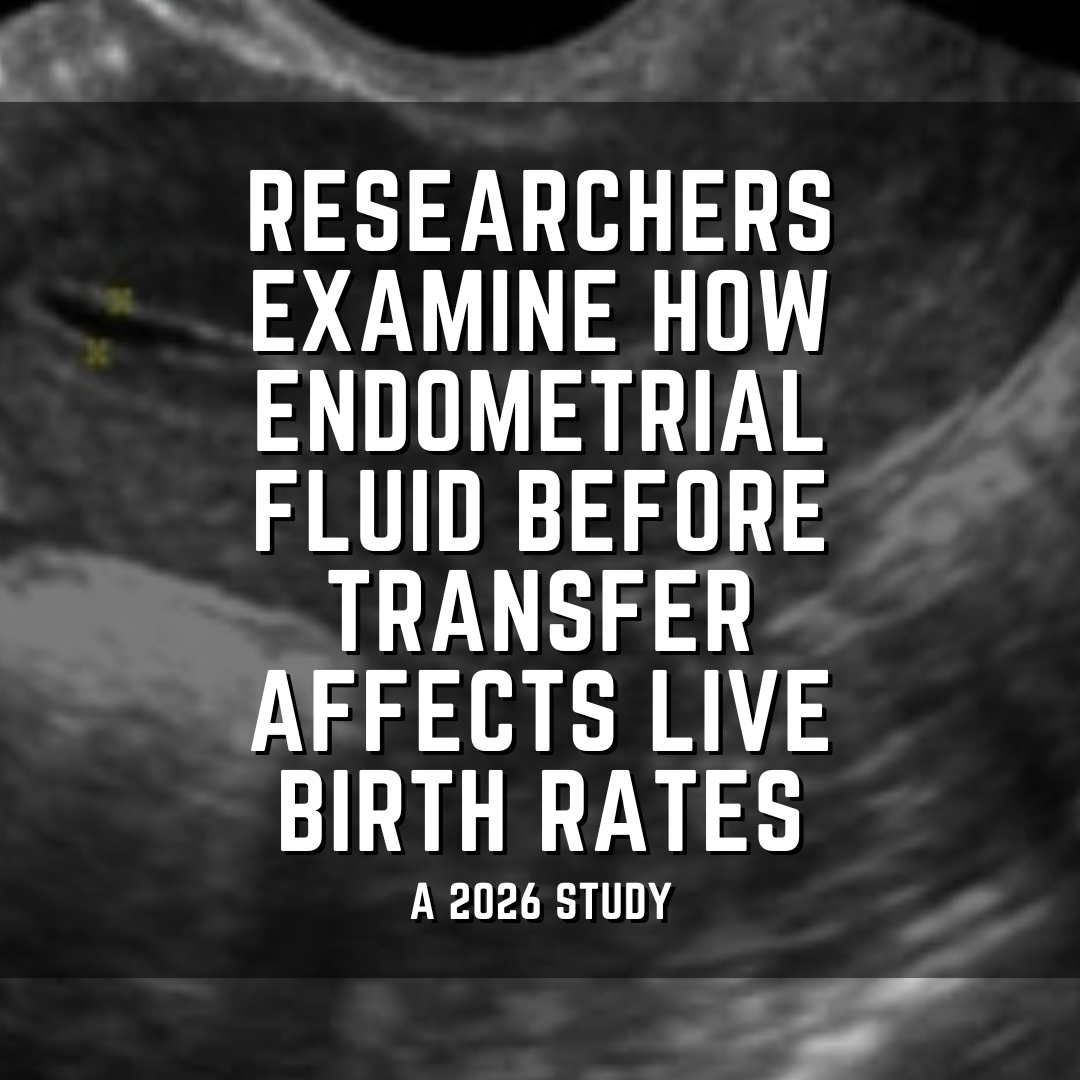
A 2026 study found that if endometrial fluid cleared before embryo transfer, live birth rates were similar to patients without fluid. When the fluid remained, live birth rates were lower, and cancelling the cycle didn’t appear to improve outcomes in a later transfer.

A 2026 meta-analysis found no benefit of ERA or other endometrial receptivity tests in general IVF patients, with a possible improvement in live birth for RIF patients transferring untested embryos.
A 2026 randomized trial found that natural FETs had similar healthy live birth rates to medicated FETs, but were linked to lower risks of preeclampsia, pregnancy loss, and some other pregnancy complications.
A 2026 study found that switching frozen embryo transfer protocols after a failed transfer did not improve live birth compared with repeating the same protocol, including in PGT-A cycles, with some small and uncertain differences seen in specific natural FET types.
A 2025 study found that after a first frozen embryo transfer, experiencing an early pregnancy loss did not increase the risk of loss in the next transfer, for both euploid or untested embryos.
A 2025 study suggests that most patients with recurrent pregnancy loss who transfer up to 3 euploid embryos go on to have a live birth, though data from later transfers are limited.
A small 2025 study found that most pregnancies show detectable hCG by day 6 after a blastocyst transfer, and those that first become positive on day 8–10 have higher rates of biochemical and ectopic pregnancy and a lower chance of ongoing pregnancy.
Researchers in a 2025 study showed that women with endometriosis or adenomyosis had lower IVF success overall after 3 IVF cycles, with more differences in the first, fresh transfer.
A 2025 study suggests that acetaminophen (Tylenol), at levels reached after a standard dose, can disrupt embryo development in experimental models, raising questions about its potential impact on IVF outcomes, although better research in humans is needed before changing clinical practice.

A large 2025 study found that a thin lining (<7 mm) lowered live birth rates in medicated and modified natural FETs, but not in natural cycles, and overall endometrial thickness was not a strong standalone predictor of IVF success.

A 2025 case report describes two IVF patients who conceived triplets from a single embryo transfer and offers insight into just how rare this is.

This post explains how embryos can split during IVF, especially at the blastocyst stage. It covers the timing of splitting, the different types of identical twins, the factors that make splitting more likely, and how IVF labs can reduce the risk of twins after single embryo transfer.
A 2025 randomized controlled trial found that natural cycle FETs led to higher live birth rates and fewer miscarriages than medicated FETs in ovulatory women with a good prognosis.
Even when embryos are euploid and pass PGT-A, miscarriage can still happen. A new 2025 study suggests that genetic mutations too small to be seen by standard PGT-A may explain some of these losses.
A 2025 study found that nearly one in three IVF patients without PCOS or diabetes had insulin resistance, which was linked to lower success rates, but taking metformin before embryo transfer seemed to help.

A 2025 study found that PCX, a surface molecule on endometrial cells, may lead to a shorter implantation window in women with endometriosis and might explain the stickiness of lesions outside the uterus.