
Researchers in a 2019 study used a 6-week “Mediterranean diet” +intervention where participants received a daily supplement containing omega-3 fatty acids and vitamin D, with limited benefits.
The impact of diet on egg and sperm quality is a topic of great interest to many couples going through IVF. Everyone wants to be able to do something to increase their odds of success, and changing our diet seems like it makes a lot of sense.
For more background on egg quality, check out my Complete guide to egg quality.
The Mediterranean diet has been in the spotlight for some time. It’s characterized by being rich in fruits, vegetables, whole grains, nuts, olive oil and low in red meat.
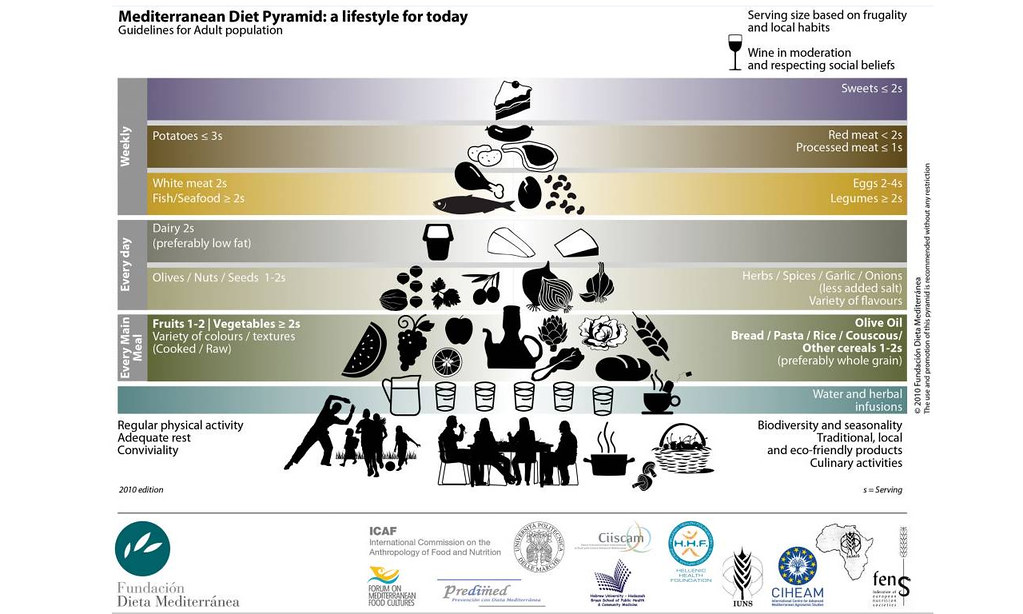
A clinical trial (the PREPARE trial, Kermack et al. 2019) addressing the benefits of this diet was performed between 2014 and 2015. It tested some of the key components of the Mediterranean diet, including extra virgin olive oil (EVOO), omega-3 fatty acids from seafood, and vitamin D.
🔗 Original studies are referenced in this post or within the linked Remembryo posts.
💡 Reminder: Terms underlined with a dotted black line are linked to glossary entries. Clicking these does not count toward your paywall limit.
Study details
The study group received olive oil for cooking, an olive oil-based spread, and a daily supplement drink containing the omega-3 fatty acids EPA (eicosapentaenoic acid, 800 mg), DHA (docosahexaenoic acid, 1200 mg) and vitamin D (10 ug).
The control group received sunflower seed oil for cooking, a sunflower seed oil-based spread, and a supplement drink that didn’t contain EPA, DHA or vitamin D.
The diet was followed for a period of 6 weeks before starting IVF. Compliance was monitored weekly. 62% of women and 50% of men reported full compliance, which was similar between the study group and control group.
A total of 102 couples completed the trial between 2014 and 2015.
Results
IVF parameters were measured:
- There were no differences in the number of eggs retrieved.
- No difference in fertilization rates.
This study used a time-lapse incubator (EmbryoScope) to measure different criteria in the 750 embryos in this study:
- No difference in the number of 2-cell embryos.
- No difference in the number of 4-cell embryos.
- No difference in the number of 8-cell embryos.
- No difference in the number of blastocysts.
- Lower time to cleavage from the 5-cell stage to the 8-cell and 9-cell stage in the study group.
- Increase in KIDScore on Day 3 in the study group.
- No difference in fragmentation, cell symmetry, or multinucleation.
- No difference in the time to form a morula, a blastocyst, an expanding blastocyst, or a hatching blastocyst.
In terms of the pregnancy rates, the authors commented that this study didn’t have enough participants to make any conclusions, but there were no differences in pregnancy rates or live birth rates.
Conclusions
So the results are a bit underwhelming, however there were improvements in the rate of cell division during the cleavage stage, and a corresponding improvement in the KIDScore. So this does show some evidence of improved embryo quality with 6-weeks of the Mediterranean diet. They couldn’t tell if these effects were derived from the female or male gametes.
It’s unfortunate that they only did this study for 6 weeks rather than months (it can take 72 days for sperm to mature, and at least 90 days for eggs), but their fear was in maintaining compliance to the diet. Many of these participants were preparing for IVF but didn’t want to wait too long, and 6 weeks was what they went for.
It’s also unfortunate that they’re unable to determine exactly what part of their Mediterranean diet had any impact. Was it the olive oil? The omega-3 fatty acids (EPA, DHA)? Or the vitamin D? Lumping all of these supplements together and calling it a “Mediterranean diet” is also a bit of a stretch.
Reference

About Embryoman
Embryoman (Sean Lauber) is a former embryologist and the founder of Remembryo, an IVF research and fertility education website. After working in an IVF lab in the US, he returned to Canada and now focuses on making fertility research more accessible. He holds a Master’s in Immunology and launched Remembryo in 2018 to help patients and professionals make sense of IVF research. Sean shares weekly study updates on Facebook, Instagram, and Reddit regularly. He also answers questions on Reddit or in his private Facebook group.