
A 2024 study found that working past 4 pm, specific procedures, and variability among embryologists all contribute to errors in IVF labs.
Avoiding errors in the IVF lab is important to ensure the right sperm and eggs are combined, the right embryo is thawed, and the right embryo is transferred!
There are different methods for minimizing these mismatch errors.
Double witnessing is the most common method and involves having a second person ID a sample, but this method is vulnerable to human error.
Electronic witnessing systems can also be used to help reduce errors by using radio frequency ID (RFID) or barcodes. With RFID, tags are placed on patient ID cards and cell culture vessels that can be read at workstations. The system alarms when mismatches are detected.
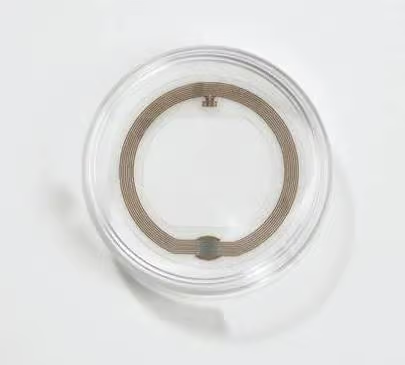
This post is a summary of a study by Forbrig et al. (2024), which involved an IVF clinic in Australia that performed over 11,000 treatment cycles between 2016 and 2023, representing 73,719 witnessing points that were assessed using their RFID electronic witnessing system.
This study looked at mismatches (with or without biological material) and critical mismatches (involving biological material). The authors note that critical mismatches were the mismatches that could lead to an actual mix-up of patient biological material.
🔗 Original studies are referenced in this post or within the linked Remembryo posts.
💡 Reminder: Terms underlined with a dotted black line are linked to glossary entries. Clicking these does not count toward your paywall limit.
Of the 73,719 witnessing points, there were 138 mismatches (0.19%) and 16 critical mismatches (0.02%) identified. So between 2016 and 2023, there were 16 times that a critical mismatch occurred. The RFID system alerted the embryologists to the mismatch, so there were no actual mix-ups.
In what situations did these mismatches occur more frequently?
Time-related risks: The highest rates of mismatches occurred between 12-2 pm, and the highest rates of critical mismatches occurred after 4 pm. This suggests that embryologists made more mistakes toward the end of the workday, when they were likely more fatigued. Weekends and holidays didn’t have a higher rate of mismatches.
Procedure-related risks: Mismatch rates varied significantly among different laboratory procedures, with embryo transfer and oocyte denudation/stripping showing the highest rates for mismatches and critical mismatches, respectively. The authors note that this could vary depending on different workflow arrangements in the lab, since other studies have shown that different procedures are linked to mismatches. It’s important to consider annual risk assessments for procedures to see if there are any issues with workflow.
Embryologist variability: Mismatch rates also varied significantly among the 20 embryologists at the center. The two embryologists with the highest mismatches had over 20 years of experience, with one being a supervisor. It’s possible that the supervisor was more distracted because of their increased responsibilities and multitasking. This underscores the need for consistent training in procedures for all staff, regardless of their experience. Similarly, conducting annual risk assessments for embryologists can help reduce errors by ensuring they remain sharp and aware of potential risks.
Besides this study, other studies have looked at factors that contribute to workplace challenges for embryologists:
- Rienzi et al. (2017) found that inadequate staffing and/or staff fatigue could be a risk factor for mismatches.
- Priddle et al. (2022) surveyed 223 embryologists about health issues during work, finding that many reported a high level of stress from high workloads and vision problems from long-term microscope use in low light.
- Murphy et al. (2024) showed that embryologists in both UK and US fertility clinics face moderate stress and physical discomfort due to long hours and demanding tasks, which contribute to burnout and affect their job satisfaction and well-being.
- Urteaga et al. (2024) revealed that embryologists experience the highest levels of burnout among assisted reproduction professionals, with significant rates of emotional exhaustion, depersonalization, and low personal accomplishment, largely due to workplace stressors such as working under pressure.
This has led to different organizations, including the ASRM, to provide guidance on the number of embryologists needed for a lab based on the number of cycles the clinic performs. For 1000 cycles a year, a lab should have about 8 embryologists. It’s not clear how many labs follow this guidance. Furthermore, not all labs use advanced witnessing systems like RFID to monitor for errors, and those that don’t may experience higher error rates.
Asking your clinic how many cycles they do in a year, the number of embryologists they have, and the type of witnessing system they use is an important consideration when choosing an IVF clinic!
By understanding when and how mismatches occur, clinics can adopt strategies to minimize these errors. Effective staffing and making efforts to ensure embryologists aren’t fatigued, along with a good workflow and witnessing system, can help reduce errors in the IVF lab.

About Embryoman
Embryoman (Sean Lauber) is a former embryologist and the founder of Remembryo, an IVF research and fertility education website. After working in an IVF lab in the US, he returned to Canada and now focuses on making fertility research more accessible. He holds a Master’s in Immunology and launched Remembryo in 2018 to help patients and professionals make sense of IVF research. Sean shares weekly study updates on Facebook, Instagram, and Reddit regularly. He also answers questions on Reddit or in his private Facebook group.
Related posts:
 Common practices of high-performing IVF clinics (2016-2017)
 Embryologist and physician success rates variable, not related to experience
 An Italian consensus on key performance indicators for assessing IVF clinics
 Improved IVF outcomes when embryos are cultured in groups
 Mouse study shows altered placental gene expression when plastic is used to culture embryos
 Contamination linked to repeated failed transfers, patient has live birth after zona removal
 Using multiple plastic consumables in the IVF lab increases risk of embryo or gamete toxicity
 Frozen embryos damaged after excessive bending of cryostorage device