Implantation failure
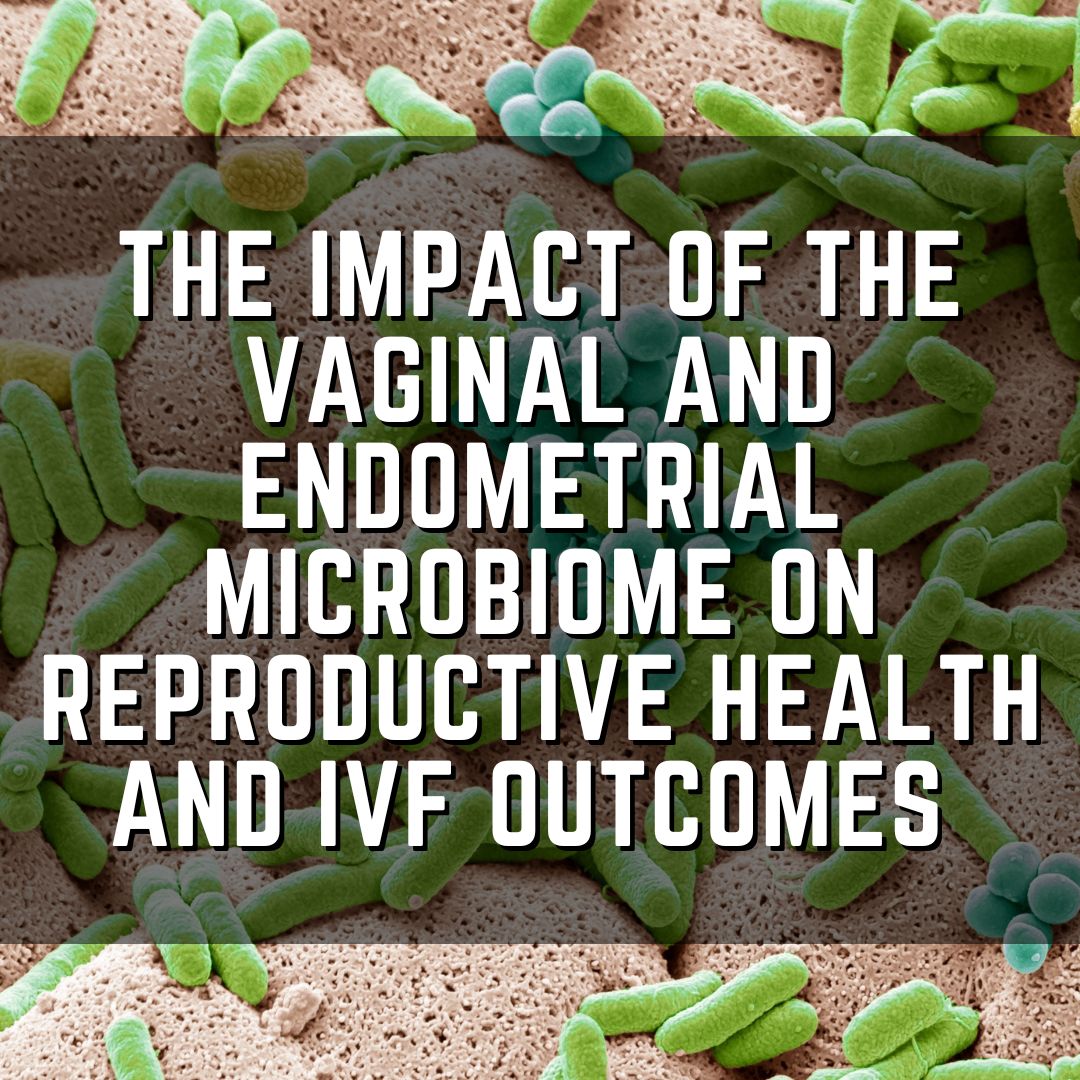
This post reviews what research currently shows about the vaginal and endometrial microbiome and how it may relate to fertility and IVF outcomes. While Lactobacillus species are often considered beneficial and are commonly found in the reproductive tract, studies examining whether microbiome differences actually affect IVF success have produced mixed results.
This post covers the variety of reasons embryos can fail to implant or miscarry, including as a result of advanced maternal age, chromosomal translocations, lifestyle, endometritis, the microbiota, immunological issues, endometrial receptivity, the clinic, and more. Note that this is not a complete list, and will be updated periodically.
Not sure what your embryo grade means—or if it affects your chances of success? This guide walks you through everything from day 3 and day 5 grading systems to what each number and letter combo (like 3BB or 5AA) actually means. You’ll also find success rate research, embryo photos, and insights from a former embryologist to help make sense of your report.