
Chromosomal errors in IVF: What is aneuploidy and what causes it?

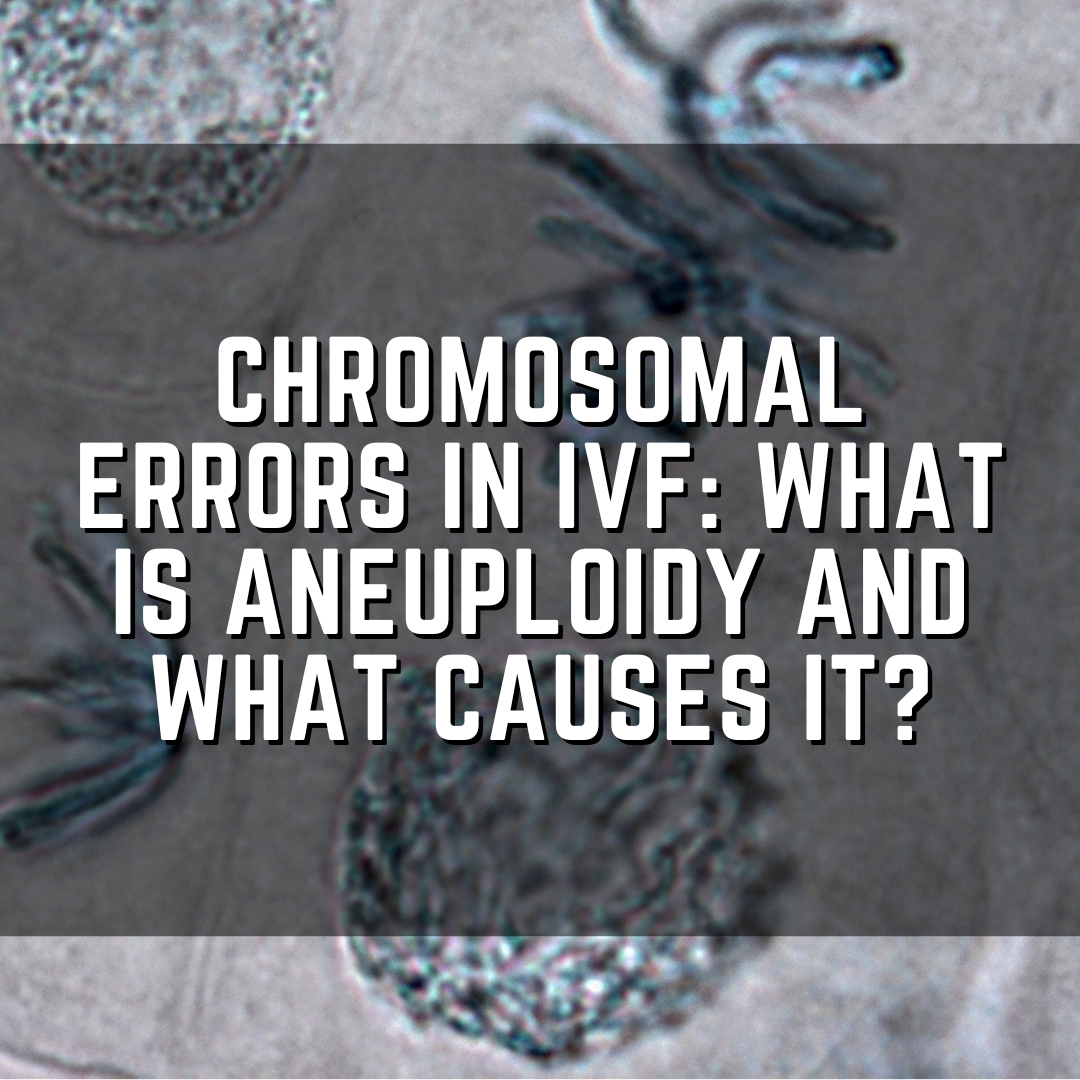
Aneuploid embryos, with an abnormal number of chromosomes, are a major cause of miscarriages, often linked to maternal age and errors in meiosis. In this post, we’ll explore what chromosomes and aneuploidy are, how meiosis errors cause aneuploidy, and the factors contributing to these errors, including age, genetics and mitochondrial dysfunction.

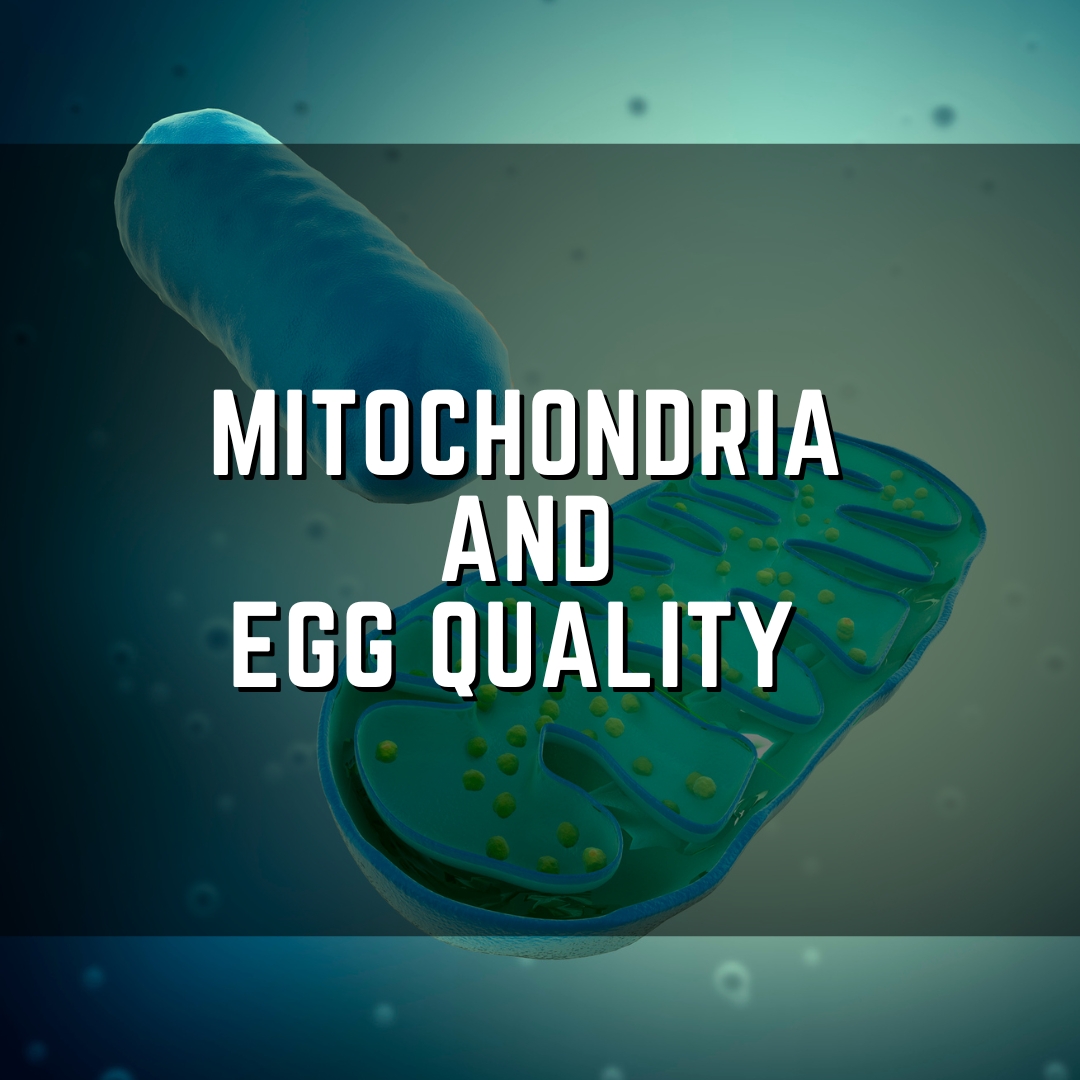
mitochondria and egg quality

The egg cell contains a high number of mitochondria, which are tiny cellular organs that produce energy that the egg needs to power fertilization and embryo development. Research has shown that these mitochondria can become dysfunctional with age, leading to reduced energy availability for the egg that could result in poor egg quality. Different treatments that target mitochondria, like antioxidant supplements or mitochondrial donation, may improve egg quality, although good quality research is lacking that shows these treatments are truly effective.

Explaining Unexplained Infertility through Non-Surgical Endometriosis Diagnosis

Laparoscopy is the gold standard for diagnosing endometriosis, but other non-surgical tests are showing potential. Here we’ll take a brief look at ReciptivaDx based on the BCL6 protein, the Endotest and DotEndo test based on a miRNA signature, the EMScore which is based on a gene expression signature, and imaging tests like ultrasound and MRI.

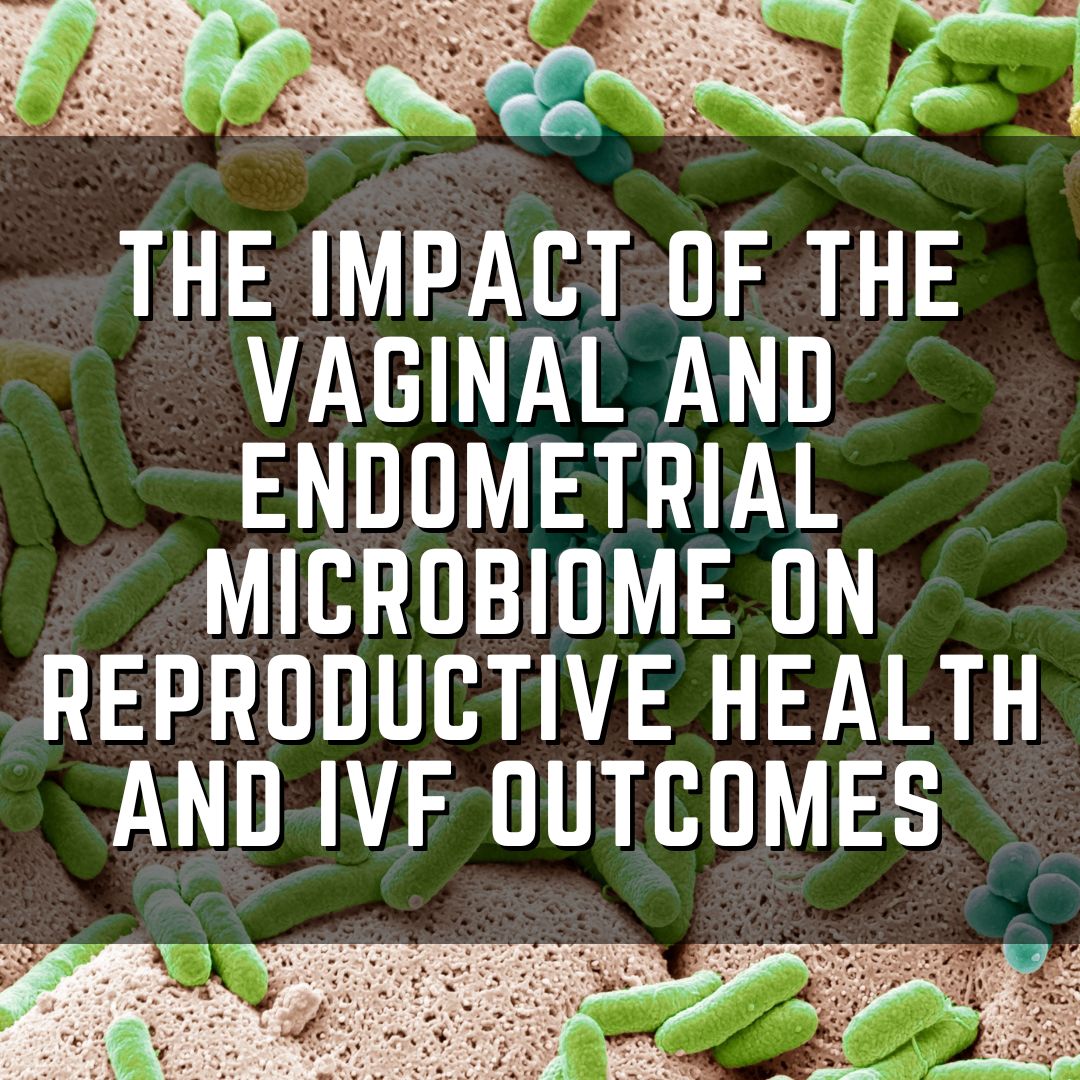
The impact of the vaginal and endometrial microbiome on reproductive health and IVF outcomes

This post reviews what research currently shows about the vaginal and endometrial microbiome and how it may relate to fertility and IVF outcomes. While Lactobacillus species are often considered beneficial and are commonly found in the reproductive tract, studies examining whether microbiome differences actually affect IVF success have produced mixed results.

comparing frozen embryo transfer FET protocols

The post discusses various frozen embryo transfer protocols, which includes a medicated FET, natural cycle FET (true natural/modified natural), and mild ovarian stimulated FET, along with their scheduling. In addition, it examines whether one FET protocol is superior to another, the relevance of the corpus luteum in medicated vs natural cycle FETs, and optimal progesterone levels.

why do embryos fail to implant or miscarry?

This post covers the variety of reasons embryos can fail to implant or miscarry, including as a result of advanced maternal age, chromosomal translocations, lifestyle, endometritis, the microbiota, immunological issues, endometrial receptivity, the clinic, and more. Note that this is not a complete list, and will be updated periodically.

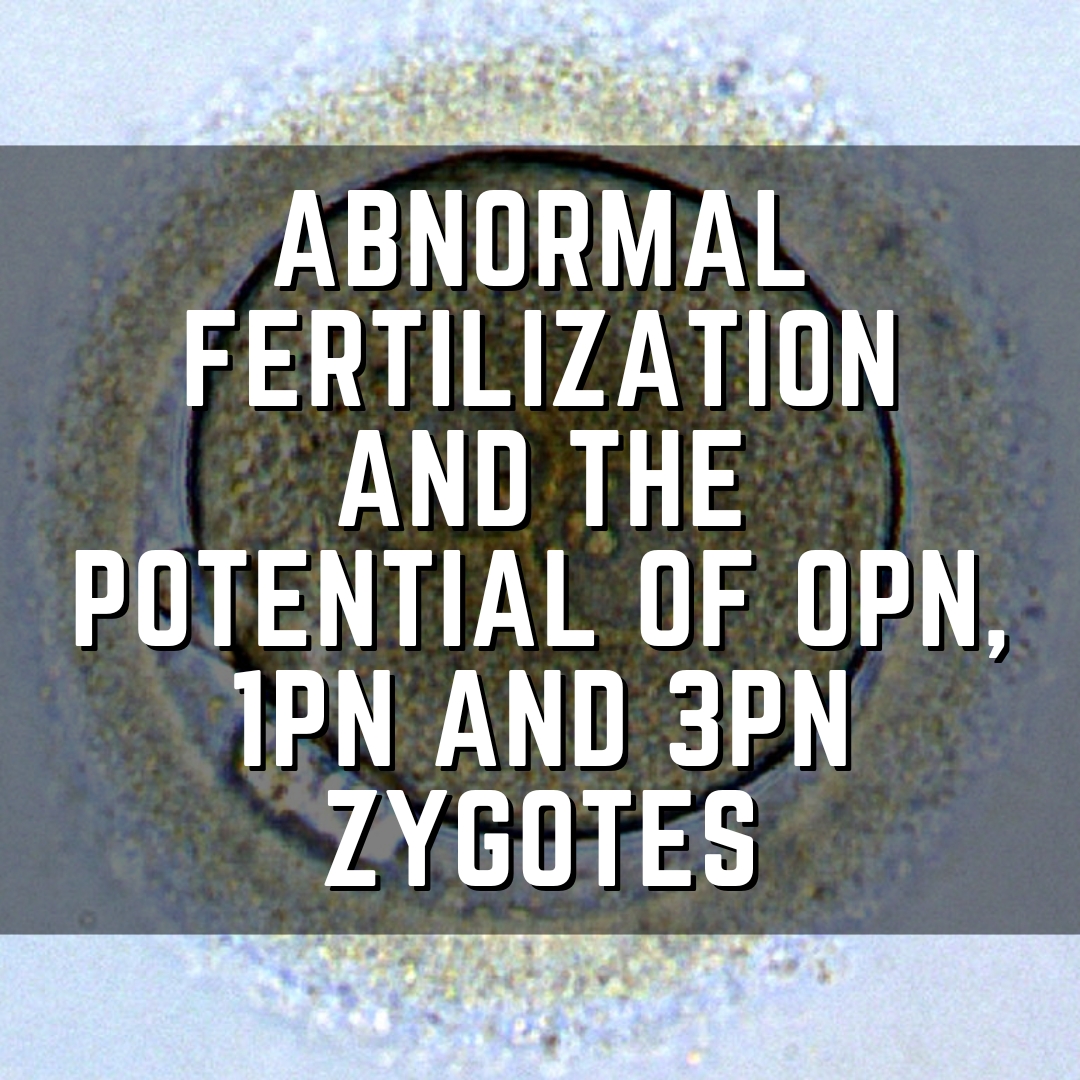
Abnormal fertilization and the potential of 0PN, 1PN and 3PN zygotes

This post covers what occurs during normal fertilization and what it means to have an abnormally fertilized zygote (0PN, 1PN, 3PN, 4PN). Using PGT to test these embryos reveals that many have the correct number of chromosome sets and can lead to successful live births.

grade c embryo success rates

This post takes a closer look at what “poor-quality” embryos really mean in IVF. At the cleavage stage, they often have fewer cells or high fragmentation, while at the blastocyst stage, a grade C means the inner cell mass and trophectoderm contain fewer, loosely packed cells. These embryos tend to have lower success rates than good-quality ones, but studies show they can have similar perinatal outcomes.

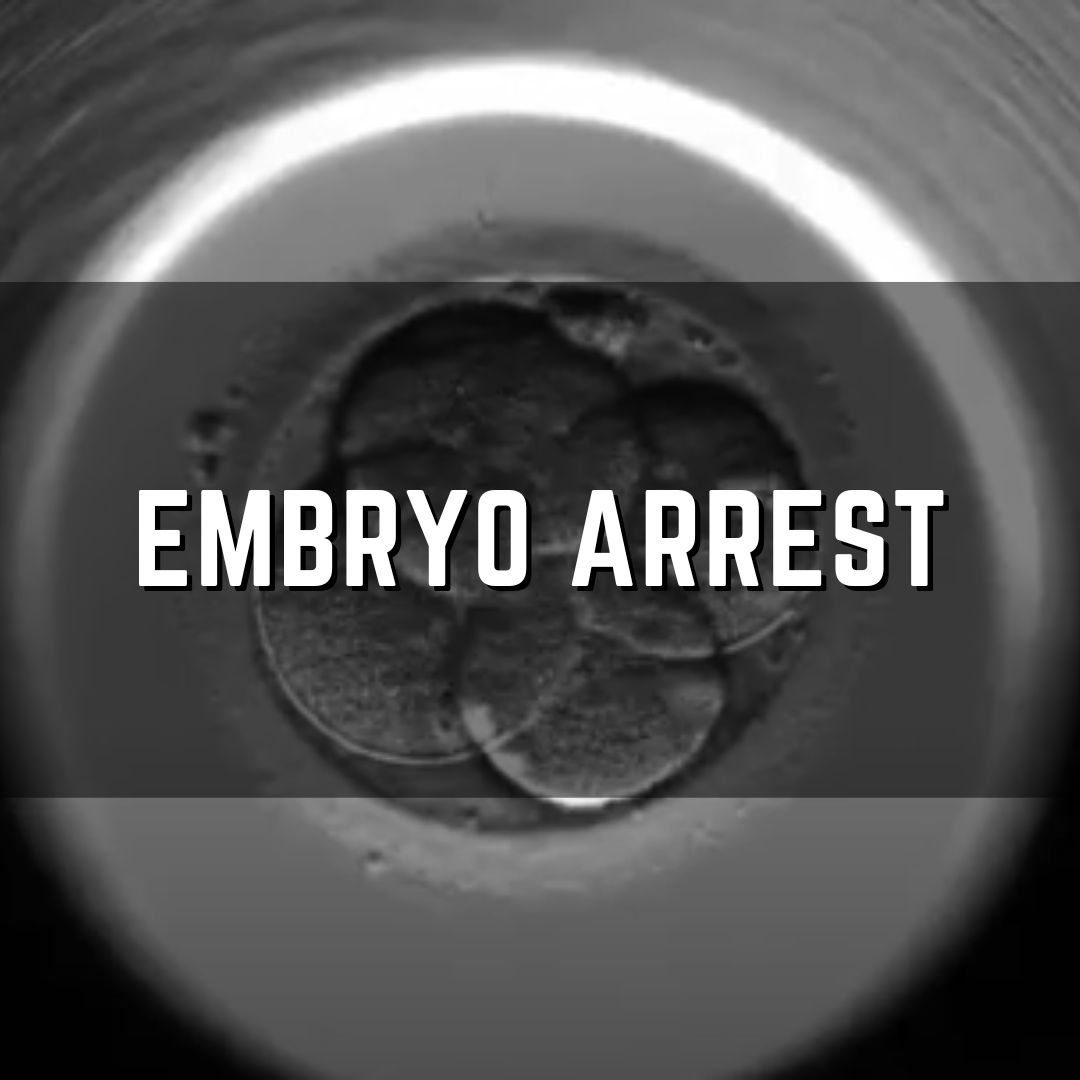
embryo arrest

Embryo arrest is when an embryo stops developing, usually before reaching the blastocyst stage. This post explains possible causes, including embryonic genome activation, maternal effect genes, the subcortical maternal complex, aneuploidy, mitochondrial dysfunction, oxidative stress, lab conditions, and sperm DNA fragmentation.