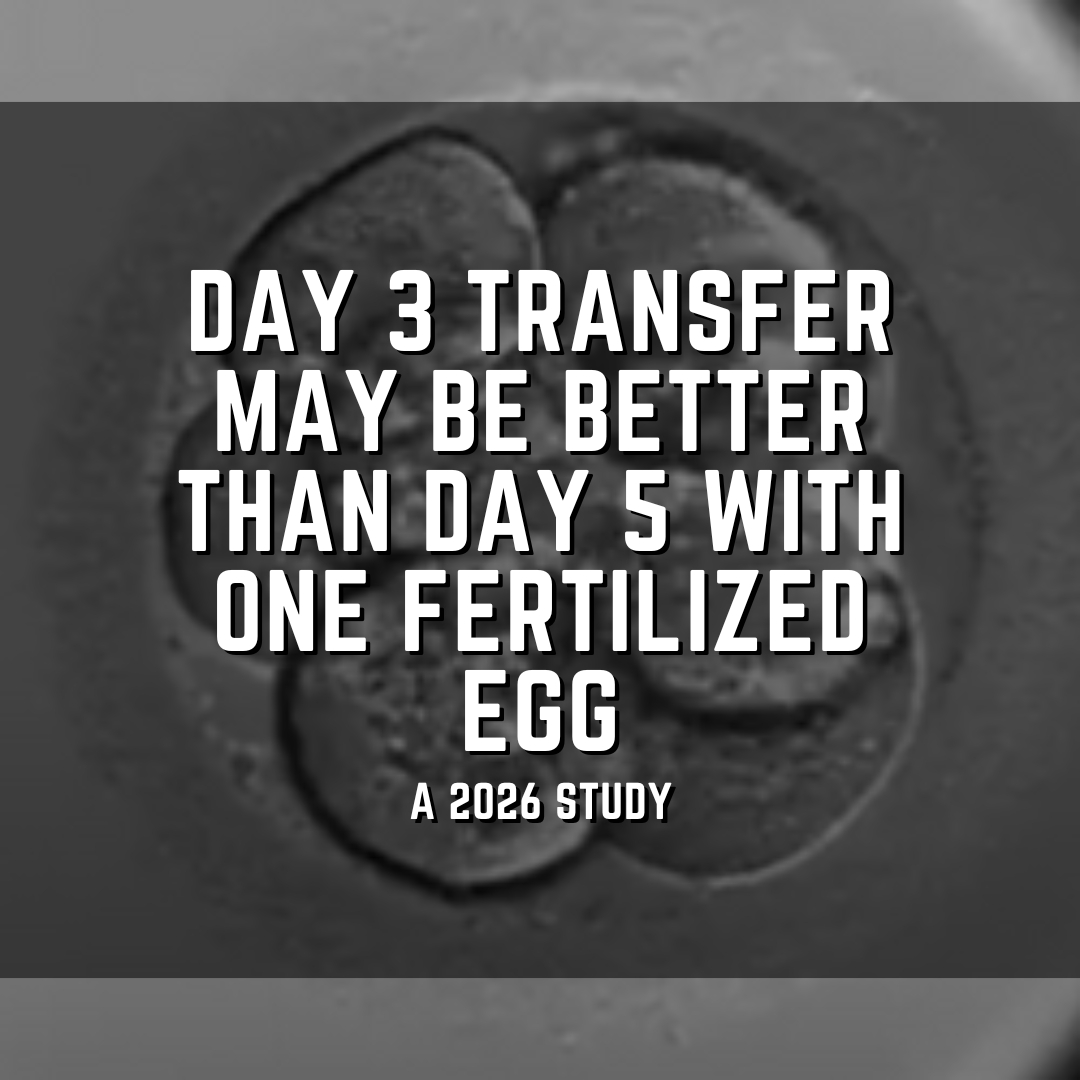
Researchers in a 2026 study found that patients with only one fertilized egg (zygote) may have a higher chance of live birth with cleavage stage transfer than blastocyst stage transfer, especially at older ages.

Researchers in a 2026 study found that patients with only one fertilized egg (zygote) may have a higher chance of live birth with cleavage stage transfer than blastocyst stage transfer, especially at older ages.
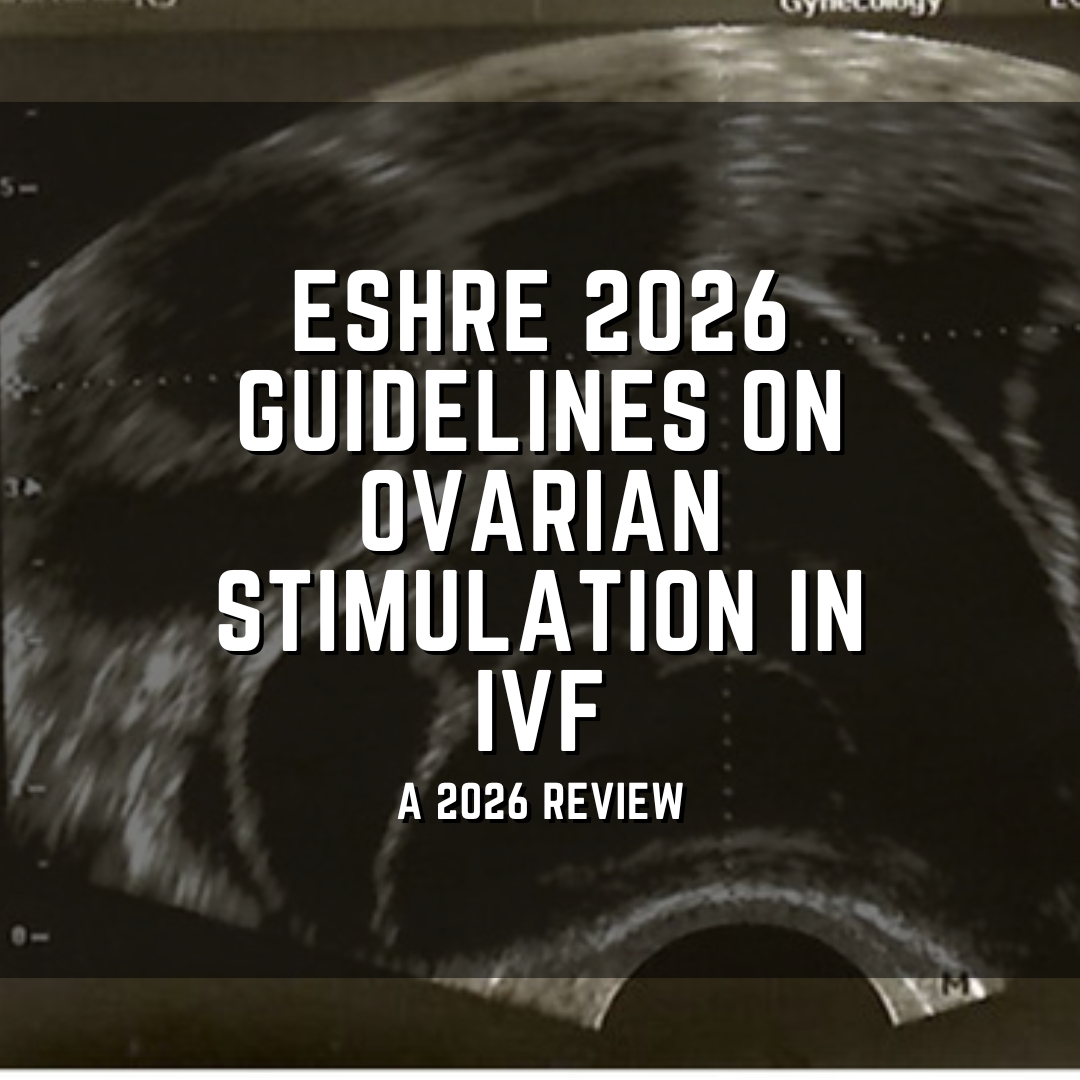
Researchers in a 2026 guideline review provide evidence-based recommendations from ESHRE on ovarian stimulation for IVF/ICSI, covering protocols, medications, monitoring, and safety.
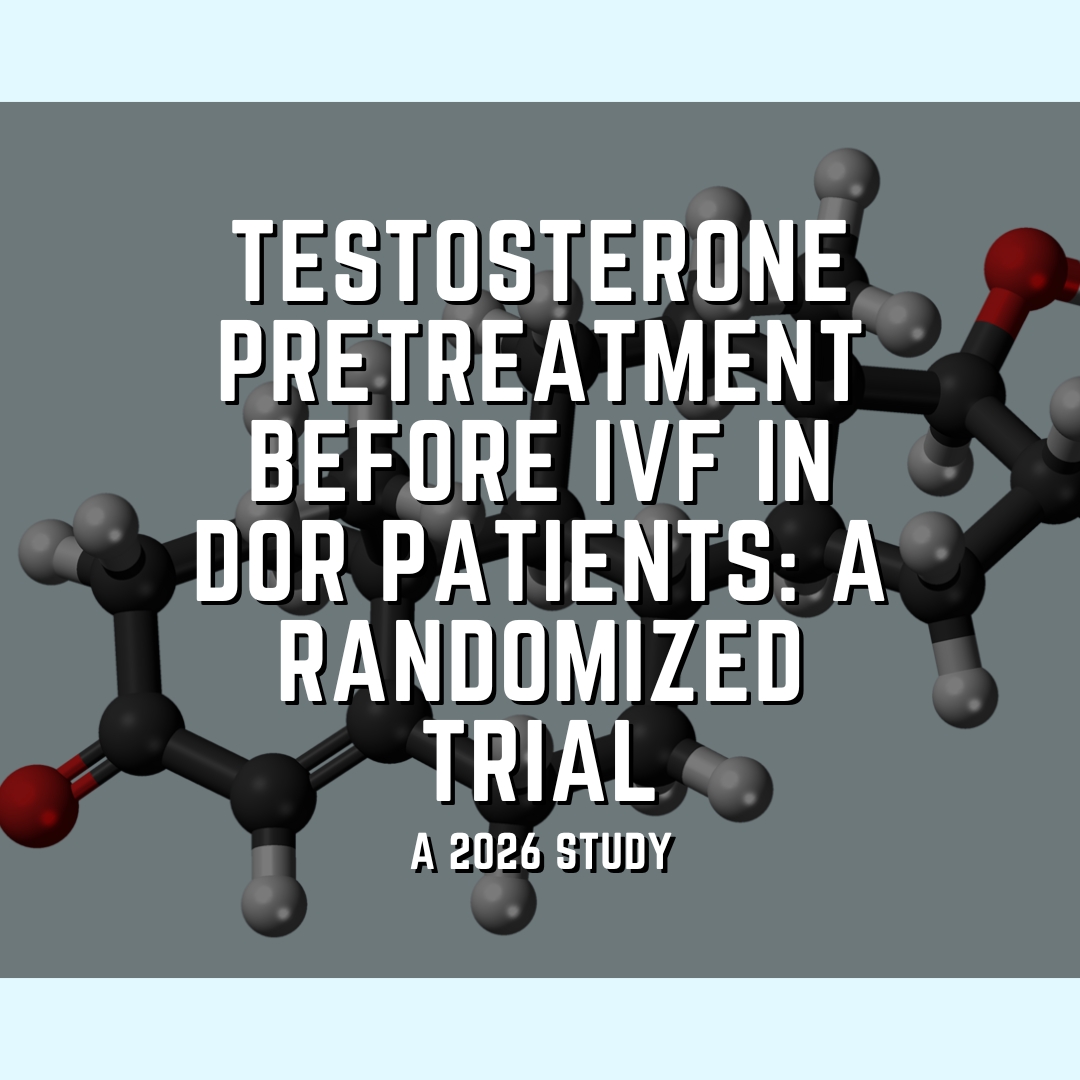
Researchers in a 2026 randomized trial found that ~9 weeks of transdermal testosterone before IVF didn’t improve pregnancy rates or egg numbers in women with diminished ovarian reserve.
Researchers in a 2026 meta-analysis combined 15 randomized trials in women with POR or DOR and found that while some forms of acupuncture were linked to slightly more eggs retrieved, they didn’t improve pregnancy rates.
In DOR patients, a 2025 study found that follicles measuring 15–17 mm at the time of egg retrieval were associated with the best outcomes, suggesting that optimal trigger timing in this group might occur earlier than standard thresholds used for normal responders.
A 2025 study found that aging eggs and their support cells may have increased ribosome activity that contributes to reduced egg quality, and early clinical results suggest that rapamycin may help improve embryo quality and pregnancy rates.
A 2025 meta-analysis combined the results of 22 studies and found no clear improvement in live birth rates from hormonal add-on for poor ovarian response, though growth hormone and testosterone ranked as the most promising options, and growth hormone increased the number of eggs retrieved.

A large 2025 study charts how AMH levels decline with age in over 22,000 women, revealing when diminished ovarian reserve (DOR) becomes more common, regardless of infertility status.


A 2024 meta-analysis combined the results of 38 studies investigating treatments for diminished ovarian reserve patients. DHEA, testosterone, high-dose gonadotropins and delayed start protocols all improved the number of eggs retrieved.
A 2024 meta-analysis combined the results of 20 studies, showing that supplements improved IVF outcomes in women with ovarian aging, especially CoQ10.


Researchers in a 2024 study performed an RCT and found that intraovarian PRP resulted in an increased number of eggs retrieved in patients with poor ovarian response, although these eggs weren’t more likely to become blastocysts or be euploid after PGT-A and resulted in fewer pregnancies.
Researchers in a 2023 study combined the results of 74 studies to investigate what factors contribute to euploid live birth and miscarriage rates, identifying embryo quality, maternal age, specific diagnoses, repeat freeze/thaw, and other factors.