
A 2024 study investigated the genetics of over 3,200 miscarriages, finding that two-thirds were associated with a chromosomal abnormality, with trisomy 16 and the 8p23.1 deletion as the most common abnormalities.

A 2024 study investigated the genetics of over 3,200 miscarriages, finding that two-thirds were associated with a chromosomal abnormality, with trisomy 16 and the 8p23.1 deletion as the most common abnormalities.







Researchers in a 2024 study found that patients that have 5 consecutive euploid transfers had a cumulative live birth rate of 98.1%, suggesting that most cases of implantation failure are due to the embryo, and that true unexplained RIF occurs in less than 2% of patients.

Researchers in a 2024 study performed an RCT and found that intraovarian PRP resulted in an increased number of eggs retrieved in patients with poor ovarian response, although these eggs weren’t more likely to become blastocysts or be euploid after PGT-A and resulted in fewer pregnancies.





Researchers in 2024 detailed a case report of a patient with recurrent implantation failure as a result of bacterial contamination, which was resolved after removal of the zona.

Researchers in a 2024 study identified what factors were involved in fertilization failure and built a nomogram (calculator) to help predict when this happens, with moderate predictive ability.

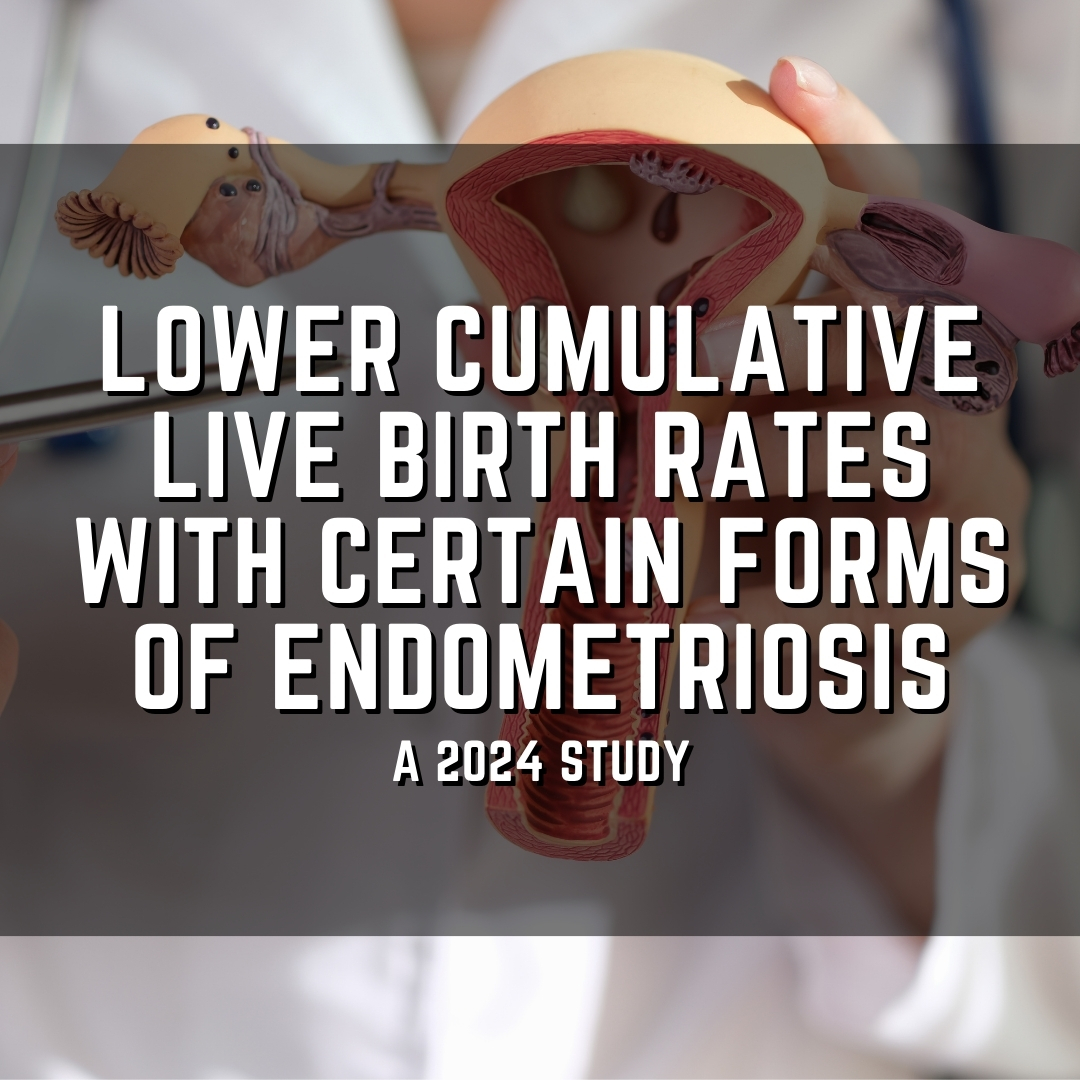
Researchers in a 2024 study found lower cumulative live birth rates in patients with a particular type of endometriosis (DIE and/or ovarian endometrioma) that was diagnosed using transvaginal ultrasound.

Researchers in a 2024 study compared the costs of patients with or without PGT-A, finding that patients younger than 35 may not benefit because of the higher chance of top-graded embryos being euploid anyway.




Researchers in a 2023 study compared PGT-A outcomes for patients with different diagnoses, including advanced maternal age (AMA), recurrent implantation failure (RIF), recurrent pregnancy loss (RPL) and severe male factor (SMF).


Researchers in a 2023 study found that patients with or without endometriosis have comparable live birth rates after transferring a euploid embryo, although patients may have been surgically treated (a limitation). Endometriosis patients are more likely to produce aneuploid embryos.